Home › Topsoil, Grading, and Site Preparation
Proper hydroseeding site preparation in Dallas, TX is the foundation for a long lasting lawn. We handle rough and final grading, topsoil placement, and rock removal so seed has the best chance to root deeply, drain correctly, and grow into a smooth, even yard.
Legendary Hydroseeding Dallas provides professional hydroseeding site preparation throughout Dallas, TX, Texas and the surrounding area. Our licensed, insured crew delivers safe, clean, on-time work with a free estimate before anything begins. Call 682-452-6706 or request your free quote.
Hydroseeding Site Preparation That Works In Dallas Soil
Healthy hydroseeded lawns and slopes in Dallas start long before the seed mix hits the ground. At Legendary Hydroseeding Dallas, our Topsoil, Grading, and Site Preparation service is built around what actually happens in North Texas clay, not a generic national checklist.
Most lots here have thin builder fill or tight black clay that sheds water instead of absorbing it. If we hydroseed directly on that, you get patchy growth, runoff, and erosion. Our crews begin with a walk-through to look at soil depth, compaction, drainage paths, and how water leaves your property during a heavy rain. We also check downspout locations, low spots that stay soggy, and any areas that already wash out in storms.
From there, we decide how much correction is needed. Some properties need only light regrading and a thin topsoil layer. Others, especially new construction in places like Frisco, McKinney, and the outskirts of Dallas, may need imported topsoil over hard subgrade. All of this planning happens before hydroseeding is even scheduled so your seeding day is about planting, not still fixing the ground.
Real-World Topsoil Choices For North Texas Yards
Topsoil is not just "dirt". The wrong material will crust over in the summer, turn to soup in heavy rain, or starve your seed of nutrients. For hydroseeding site preparation, Legendary Hydroseeding Dallas focuses on soil that plays well with our region's climate and turf types.
We typically recommend a screened sandy-loam topsoil blend, around 4 to 6 inches deep in lawn areas when budget allows. The sand content helps with drainage, which is critical on top of dense clay subsoils. The loam fraction holds moisture so your hydroseed slurry does not dry out between waterings in 100-degree heat. For areas with existing soil that is mostly decent but thin, we may apply 2 to 3 inches as an improvement layer rather than a full-depth install.
If you are in an older Dallas neighborhood with decent native soil, we might focus more on amending than replacing. That can include incorporating compost to increase organic matter, or a light application of gypsum to help with clay structure. We avoid un-screened "fill dirt" for hydroseeding because it often contains rocks, construction debris, or high-sodium subsoil that will hurt germination.
Costs for topsoil are driven by several factors: depth of soil needed, square footage, how far trucks must travel through Dallas traffic, and site access. Tight backyards that cannot be reached with equipment may require wheelbarrow work, which takes more time. We are always upfront about these cost drivers so you understand what you are paying for and where we can adjust to fit your budget.
Grading For Drainage, Not Just Appearance
A smooth lawn surface is nice, but in Dallas grading is mostly about one thing: controlling water. Short, intense Texas storms can dump inches of rain in an hour. If the ground is not shaped correctly before hydroseeding, you can lose soil, seed, and mulch in a single event.
Legendary Hydroseeding Dallas uses grading to set up gentle slopes that move water away from foundations, patios, and walkways. Around homes, we typically aim for a minimum fall of around 6 inches over the first 10 feet away from the house, adjusted for existing features and municipal drainage patterns. We reshape low spots that hold water, build subtle swales where needed to guide runoff, and blend transitions so they are comfortable to walk and mow.
On larger areas, like commercial sites and acreage, we look at drainage ditches, culverts, and any city storm inlets that might be affected. We coordinate with existing civil engineering plans when available instead of fighting them. For slopes that are especially steep or prone to erosion, we build in terracing or check dams and sometimes specify a different hydroseed mix designed for erosion control.
Proper grading also reduces future maintenance headaches. A yard that sheds water evenly is less likely to develop ruts from mowers, boggy patches after rain, or recurring washouts near fence lines. Getting this right before hydroseeding protects your investment in the seed and mulch that come later.
Site Preparation Steps Before Hydroseeding
Hydroseeding only works as well as the ground it sits on. Our site preparation process follows a deliberate sequence so that by the time we bring the hydroseeder, everything underneath is ready.
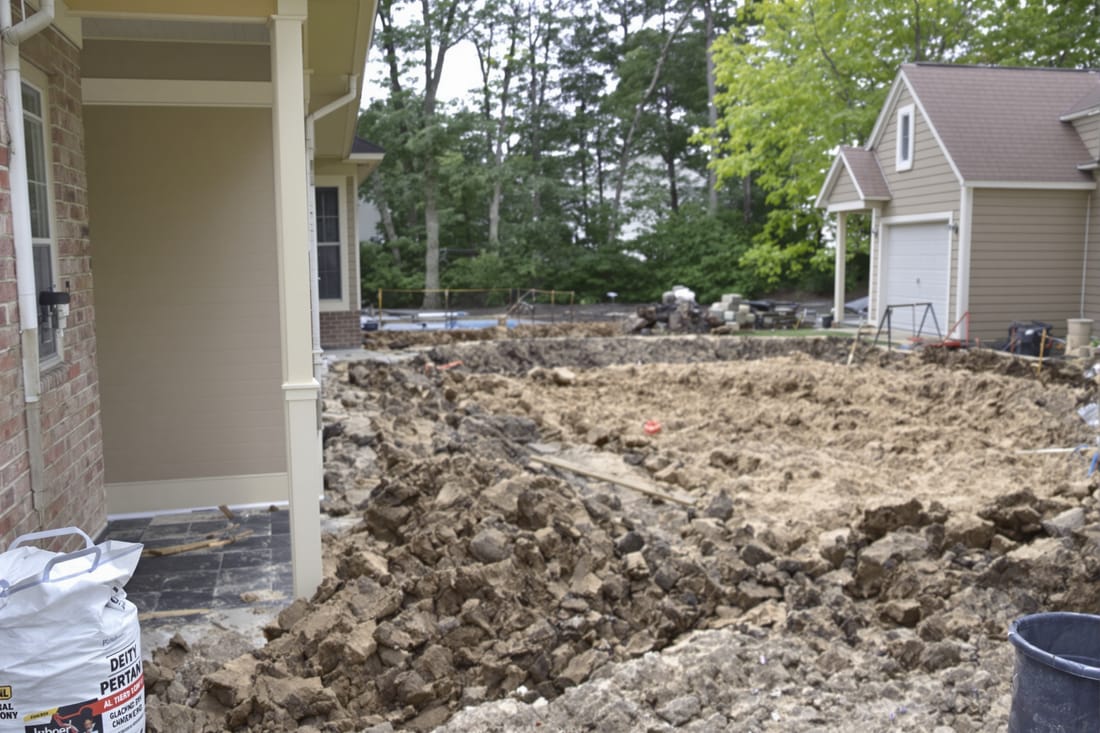
First, we clear the work area. That means removing construction trash, large rocks, leftover concrete, visible roots, and any turf you do not plan to keep. If you have an existing weedy lawn that is being replaced, we often recommend a non-selective herbicide treatment 1 to 2 weeks before grading so persistent weeds do not immediately invade your new seed.
Next, we address compaction. New builds in Dallas often have heavily compacted subgrades from equipment traffic. We loosen this layer with a tractor-mounted tiller or soil cultivator to a depth of 3 to 6 inches, depending on the project. Loosening allows topsoil to bond with the subgrade and gives roots room to grow.
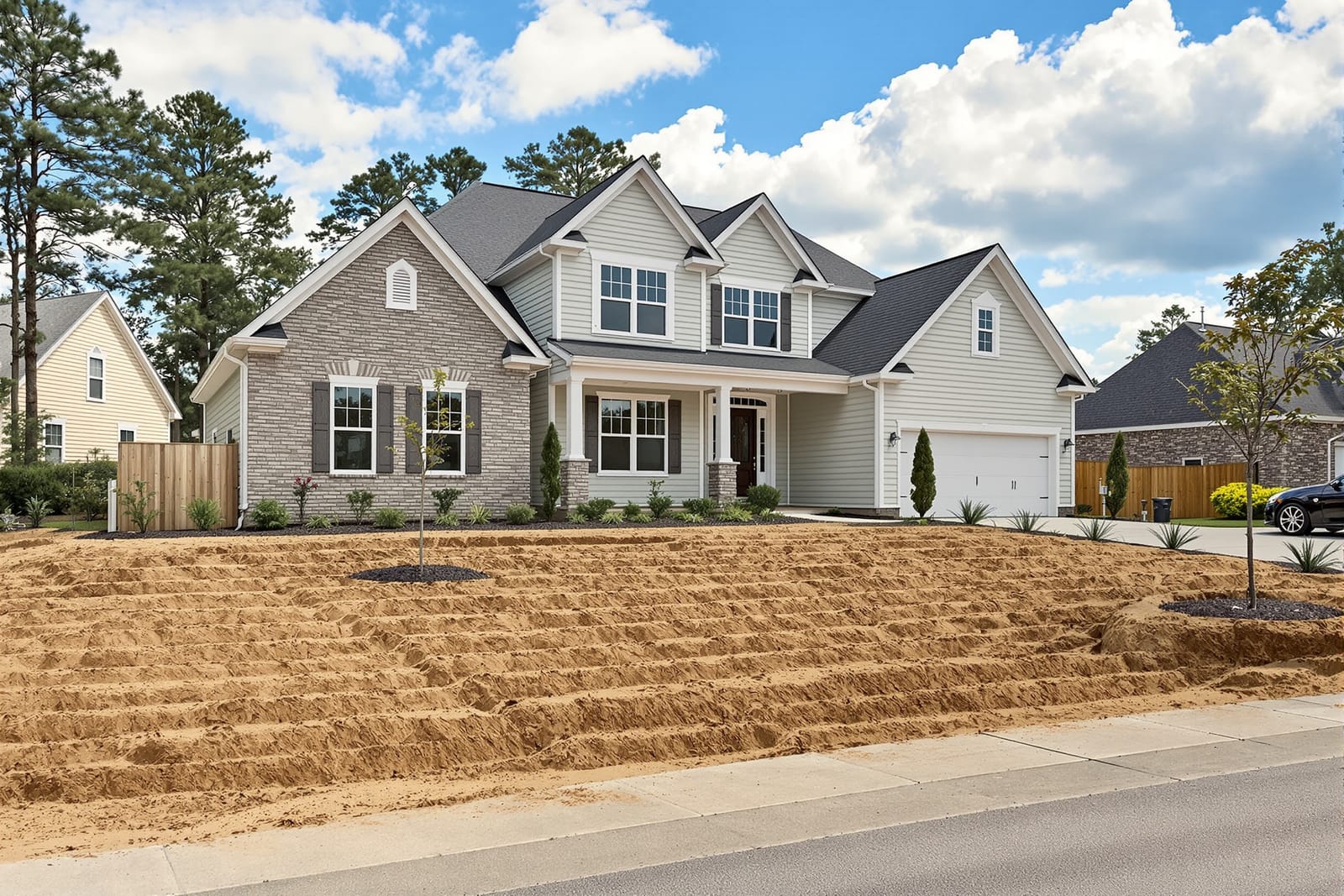
After that, we install and spread the topsoil layer, then regrade to the planned contours. We knock down high spots, fill minor depressions, and use rakes to refine the surface so it is smooth but not polished. A slightly roughened texture is ideal because it grips the hydroseed mulch and reduces the risk of it sliding on slopes.
To finish, we check for hazards. This can include checking for shallow irrigation lines, exposed utility lids, or areas where small retaining edges might need to be added so hydroseed does not wash onto sidewalks or neighboring properties. Only when we are satisfied with the base do we schedule the hydroseeding application.
Local Conditions, Regulations, And HOA Considerations
Dallas property owners face a mix of city guidelines, water restrictions, and HOA rules that affect how and when hydroseeding site preparation can take place. Legendary Hydroseeding Dallas has learned to plan work around these realities so your project does not run into surprises.
Many HOAs around Dallas, Plano, and Allen require that front yards be fully stabilized within a certain time after home completion and may specify that bare soil cannot be left exposed. In those neighborhoods, we sometimes stage the work so that grading and topsoil are done quickly, followed by hydroseeding within days, then provide homeowners with a clear watering schedule they can submit if requested.
City stormwater regulations also matter, especially on larger projects or steep sites. Disturbed soil that washes into storm drains can trigger violations. Where required or simply wise, we incorporate basic erosion and sediment controls during site preparation. This might include silt fence along low property lines, rock bags near inlets, or keeping a small buffer strip of existing vegetation until the hydroseed is in place.
Watering rules are another practical factor. During summer watering restrictions, establishing new seed can be challenging. Part of our consultation includes timing your project so the heaviest watering periods fall within allowed schedules, and adjusting seed choices if we are heading into the hottest months. When needed, we can also coordinate with you on temporary hoses and timers to reach newly graded areas that have not yet been fully landscaped.
Common Problems We Solve Before Seeding
Many of the headaches people experience with hydroseeded lawns and slopes actually start with poor site prep. We design our Topsoil, Grading, and Site Preparation service to eliminate those problems upfront.
Uneven settling is one. If fill is not compacted correctly in lifts, you can end up with dips and waves a few months after hydroseeding. Where we know imported fill has been used, we assess moisture content and compaction, then recommend either additional compaction or time before placing final topsoil and seed. On some projects, we plan a light regrade just prior to hydroseeding to correct any last-minute settling.
Another problem is mismatched soil zones. You might have heavy clay in one area and sandier soil in another. If we ignore that, one section may stay constantly wet while the other dries quickly, which shows up later as uneven color and density in the lawn. Our crews may adjust topsoil depth, add organic matter, or tweak grading to balance how water moves between those zones.
We also see drainage conflicts where a neighbor's higher yard or alleyway runoff crosses your property. In these cases, the solution might be a shallow swale, re-aimed downspouts, or coordination with a simple French drain that your drainage contractor installs while we handle grading and soil. Addressing these issues before hydroseeding helps prevent washouts along fences and property lines.
For slopes, the most common failure point is a smooth, compacted surface that offers no grip. We deliberately leave a micro-rough surface finish and, if needed, specify heavier mulch rates or additional erosion measures so the hydroseed can take hold even in a fast rain.
What To Expect When You Hire Legendary Hydroseeding Dallas
We want Dallas property owners to know exactly what will happen when they schedule hydroseeding site preparation with us. The process is straightforward but thorough.
It starts with a site visit. We walk the property with you, discuss how you plan to use each area, and note access points, slopes, existing landscaping, and any HOA or builder requirements you are dealing with. From there, we put together a written proposal that breaks out costs for topsoil, grading, and site prep separately from the hydroseeding application so you can see where your dollars go.
Once approved, we schedule the prep work and give you a short checklist, which might include marking private irrigation or low-voltage lines, moving vehicles from access points, and clarifying property boundaries if they are not obvious. Our crews then handle stripping, rough grading, topsoil placement, fine grading, and final prep, typically over 1 to 3 days depending on size and complexity.
We keep you informed if we uncover surprises, such as buried debris or poor existing fill, and present options before proceeding. After grading and soil work are complete, we either follow immediately with hydroseeding or set a firm date, depending on weather and moisture conditions. Before we leave, we walk the site with you, explain the contours we created, and answer questions about how the preparation will support your new lawn or slope stabilization in the long run.
Every step is done with Dallas conditions in mind so your hydroseeding investment has the foundation it needs to succeed.