Home › Pipeline and Utility Corridor Hydroseeding
We provide pipeline hydroseeding in Dallas, TX to restore utility corridors and right of way strips after construction. Our crews follow long alignments, stabilizing slopes, ditch lines, and access roads with appropriate seed mixes to control erosion and satisfy restoration requirements.
Legendary Hydroseeding Dallas provides professional pipeline hydroseeding throughout Dallas, TX, Texas and the surrounding area. Our licensed, insured crew delivers safe, clean, on-time work with a free estimate before anything begins. Call 682-452-6706 or request your free quote.
Pipeline Hydroseeding That Holds Up In North Texas Conditions
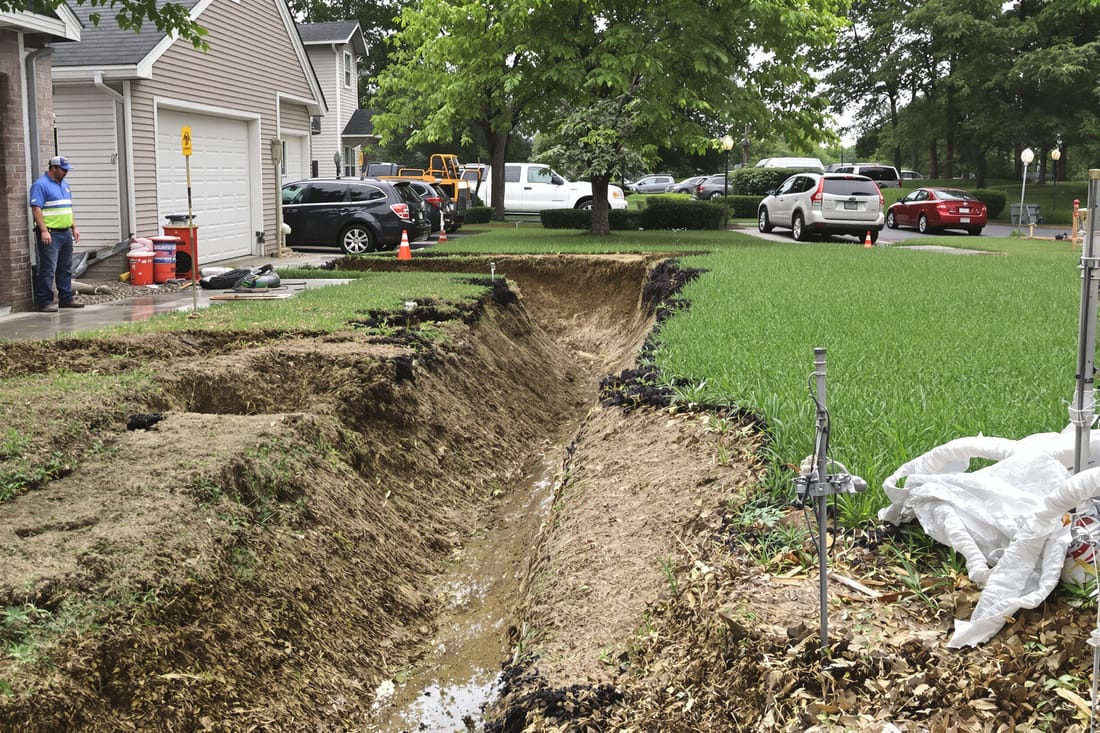
Pipeline and utility corridor hydroseeding is not the same as spraying a lawn. Right-of-way soils are usually compacted, rocky, or highly erodible, and the work is stretched across long, uneven runs that cross multiple properties. Legendary Hydroseeding Dallas focuses on building a vegetative cover that actually stays in place under Dallas weather extremes, from sudden downpours to long dry spells.
For pipeline hydroseeding we look at three things first: soil condition, slopes, and how the corridor will be used after construction. A gas line easement cut across a Blackland Prairie clay hillside needs a different seed and mulch package than a telecom run along a flat roadside in sandy loam. We design each mix for the specific reach of corridor so you are not paying for a one-size-fits-nobody approach.
Our crews are set up for remote access. Many pipeline segments in the Dallas area run behind subdivisions, across pastures, or parallel to creeks. We use large-capacity hydroseeding tanks for long pulls, plus smaller units and hose runs for tight or sensitive locations. This makes it possible to cover miles of corridor without tearing up new access routes or dragging heavy equipment where it does not belong.
How Our Pipeline and Utility Corridor Hydroseeding Process Works
A typical project with Legendary Hydroseeding Dallas starts with a corridor walkdown. We review your alignment sheets, erosion control plans, and any city of Dallas or county requirements, then physically check slopes, access points, and where runoff will concentrate. This upfront field time is what prevents washouts later.
Next, we tackle soil preparation. For new construction with graded right-of-way, we scarify compacted surfaces, knock down ruts from tracked equipment, and remove rock clusters that will interfere with seed-to-soil contact. On existing utilities or rehab work, we often use a combination of light regrading, raking, and targeted topsoil import at problem spots such as tie-ins, HDD exits, and valve sites.
We then blend the hydroseed slurry on site. The tank mix typically includes certified seed, hydraulic mulch, tackifier, fertilizer suitable for local soils, and sometimes soil amendments such as lime or organic matter. We continuously agitate the mix to keep it uniform so that seed, mulch, and additives are evenly distributed along the corridor.
Application is done from the right-of-way or access roads wherever possible, and by hose where it is not. For steep slopes and ditch banks we apply from multiple angles to avoid shadowing (bare streaks that happen when spray cannot reach under lips or behind clods). On long pipeline runs we mark stationing so we can document exactly which seed mix and mulch rate went on which segment, useful for compliance and later maintenance. After spraying, we flag or map sensitive areas that may need a follow-up check after the first heavy rain.
Seed Mixes, Mulch Types, and Erosion Control Options
Pipeline hydroseeding in the Dallas area has to handle expansive clays, flash flooding, and hot summers, so the specification matters. Legendary Hydroseeding Dallas works with native and adapted grasses that can tolerate these conditions and still stabilize the soil. For long-term stabilization we often recommend warm-season natives such as little bluestem, sideoats grama, and switchgrass blended with faster-establishing species like annual rye for short-term cover.
For utility corridors that pass through manicured areas, such as residential neighborhoods or visible commercial frontage, we can use turf-type bermuda or other lawn-type grasses in the visible sections while keeping a more rugged native mix in back-of-lot or agricultural stretches. This keeps regulators, property owners, and your operations team happy without overcomplicating maintenance.
Mulch selection is critical on Dallas pipelines. On flatter runs we may use a standard wood or blended hydraulic mulch at rates around 2,000 to 3,000 pounds per acre. On steep slopes, outfalls, or areas feeding directly into culverts or creeks, we often step up to higher mulch rates or add bonded fiber matrix (BFM) for extra holding power. In channels and high-velocity drainage swales we typically pair hydroseeding with erosion control blankets or turf reinforcement mats, using the hydroseed as a vegetation starter inside and around the mat.
We also offer low-impact solutions for environmentally sensitive corridors, such as near wetlands or floodplain areas along the Trinity River and its tributaries. That can include reduced synthetic fertilizer, no-net-increase in invasive species, and seed selections that match agency or mitigation requirements.
Cost Drivers For Pipeline Hydroseeding Around Dallas
Costs for pipeline and utility corridor hydroseeding are primarily driven by four factors: length of the corridor, access and terrain, the seed and mulch specification, and how much site preparation is required. Legendary Hydroseeding Dallas lays these out clearly so you understand where your budget is going.
Longer straight runs are the most efficient. We can move quickly with large-capacity rigs and keep per-linear-foot pricing lower. Costs increase where we have fragmented access, numerous landowner constraints, or where we must reach sections with long hose runs or smaller units. Utility corridors that weave behind houses or across rough pastures often fall into this category.
Seed mix and mulch type have a big impact. Native seed blends with multiple species, or mixes that include specialty conservation or pollinator species, cost more per pound than simple turf grasses. High-performance hydraulic mulches and BFM are more expensive than standard mulch but can prevent costly erosion repairs later, especially in North Texas storm events. We help you weigh upfront costs against the risk of washouts and regrading.
Site prep can be minimal on a well-finished right-of-way, or it can be the biggest line item if the corridor needs rework. Severe compaction, ponding low spots, poorly cut swales, and leftover construction debris all add labor and sometimes machinery time. When we walk the corridor with your superintendent we flag these issues and provide alternates, such as full correction versus partial treatment at known problem areas, so you can make informed decisions.
Common Pipeline Vegetation Problems And How We Address Them
Most of the pipeline vegetation failures we see in the Dallas region fall into a few patterns: seed washed away by the first big storm, bare streaks along the crown of the trench, weeds overwhelming the new grass, and poor growth in compacted or shaded areas. Legendary Hydroseeding Dallas plans around these issues during design rather than waiting for them to show up.
To reduce washouts, we pay attention to water paths, not just slope numbers. We identify where runoff will converge, such as at the toe of side slopes, at creek crossings, and where the corridor intersects roads or driveways. In these spots we may upgrade to heavier mulch, use a tackifier boost, install check structures or blankets, or break the slope with small diversion features approved by your engineer.
Bare streaks often trace back to shadowing, especially along steep trench breaks or over pipeline crowns that were not properly blended into the existing grade. Our crews adjust spray patterns and angles and will ask your grading contractor to knock down sharp breaks before we mobilize. If we inherit an uneven corridor, we can still improve coverage by multi-directional spraying and, where needed, a second pass at lower rates.
Weed pressure is intense in disturbed Texas soils. We cannot eliminate every weed, but we reduce the problem by choosing vigorous cover species, ensuring good seed-to-soil contact, and avoiding under-seeding. For critical assets, such as above-ground valves or compressor sites, we can coordinate with your operations team on timed mowing and, if allowed by your policies, selective herbicide treatments once turf is established.
In high-shade areas under tree lines or near large structures, we may specify shade-tolerant mixes and adjust expectations to a slower establishment curve. We communicate where these constraints exist so they do not come as a surprise during inspections.
What Dallas Pipeline Owners And Contractors Should Know Before Hiring
If you are responsible for restoration on a pipeline or utility corridor around Dallas, you should expect more from a hydroseeding contractor than a tank and a hose. Legendary Hydroseeding Dallas brings knowledge of local jurisdictions, soil conditions, and utility corridor realities, which shortens your punch-list and limits rework.
First, verify that your hydroseeding provider understands your permit and inspection requirements. City of Dallas, TxDOT, counties, and some HOAs or commercial property managers have specific expectations around vegetation height, species, and erosion control measures. We review those documents before we write a proposal so you are not caught between conflicting standards after the fact.
Second, ask how they will handle staging and traffic control. Many utility corridors interface with active roads, school zones, or tight residential streets. We plan water sources, access routes, and loading zones in advance, and we coordinate with your construction schedule to avoid conflicts with other trades and to minimize disturbance to residents.
Third, talk through post-installation expectations. Hydroseeding is not instant grass. In North Texas, establishment timing depends heavily on season and species. We explain realistic timelines for germination and full cover, provide basic maintenance guidance for the first growing season, and offer follow-up inspections where appropriate. For long linear assets, knowing which reaches may need a touch-up before final acceptance protects your schedule.
Finally, make sure your contractor can document what they did, where, and when. We maintain application logs, mix details, and station references so you can show regulators, landowners, or internal auditors exactly how the corridor was restored. That documentation, combined with a corridor-specific approach, is what sets our pipeline hydroseeding services apart in the Dallas market.