Home › Landfill and Mine Reclamation Hydroseeding
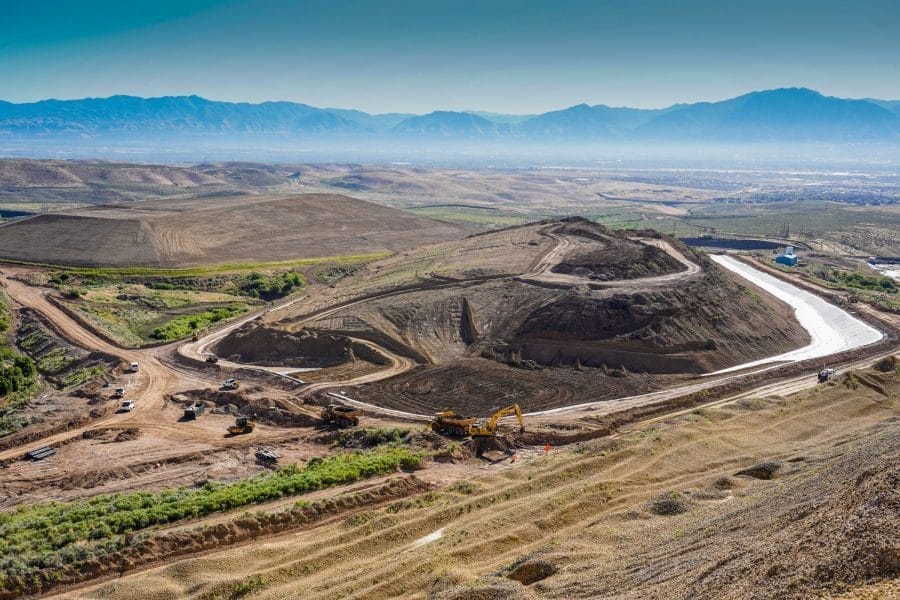
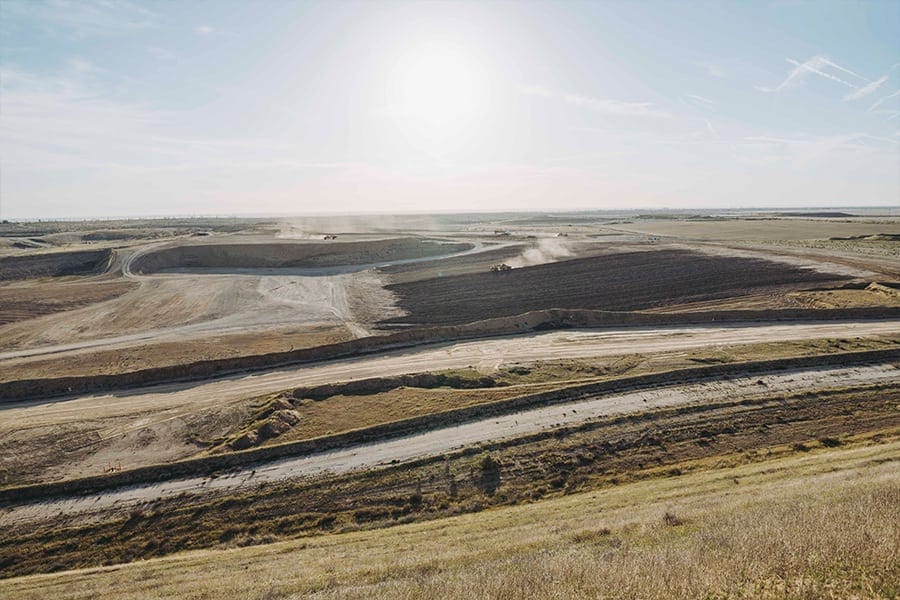
We perform landfill reclamation hydroseeding in Dallas, TX and surrounding areas, transforming capped landfills, mines, and quarries into stable, vegetated sites. Our crews handle large acreage, engineered topsoil, and specialized seed mixes to control erosion and support long term site closure goals.
Legendary Hydroseeding Dallas provides professional landfill reclamation hydroseeding throughout Dallas, TX, Texas and the surrounding area. Our licensed, insured crew delivers safe, clean, on-time work with a free estimate before anything begins. Call 682-452-6706 or request your free quote.
Landfill reclamation hydroseeding tailored to North Texas sites
Landfill reclamation hydroseeding in Dallas is not the same as putting down grass on a backyard. Old municipal landfills around Dallas, Garland, Mesquite, and Grand Prairie often have steep side slopes, settlement areas, and a mix of clay, rubble, and cover soil. Legendary Hydroseeding Dallas designs each reclamation mix to hold those slopes in place, control erosion, and meet regulator expectations, not just to look green in spring.
Our process usually starts with a site walk with your engineer or environmental consultant. We note slopes, drainage paths, existing vegetation, exposed waste, and bare areas that keep eroding in heavy storms. In North Texas, the combination of clay soils and intense thunderstorms means we focus on fiber mulch types and tackifiers that can actually stay put during a 2 to 4 inch rain. We then recommend a seed and mulch specification that matches your closure plan and any Texas Commission on Environmental Quality (TCEQ) or city requirements.
Whether you are closing a small private landfill cell or maintaining a large municipal cap, Legendary Hydroseeding Dallas aims for vegetation that roots deeply, survives summer heat, and can be mowed or maintained with common equipment. We explain what will happen in the first 3, 6, and 12 months so you know what to expect as the site transitions from bare soil to stable cover.
Step-by-step: how we hydroseed landfills and mine spoil piles
A typical landfill reclamation hydroseeding project in the Dallas area follows a clear set of steps.
1) Surface preparation: If needed, we coordinate or advise on final grading so slopes are smooth, firm, and within design. We look for ruts that hold water, areas where cap soil is too thin, and spots where wind has already started to scour topsoil. On older Dallas landfills, we often see cracked clay that needs light scarification so roots can penetrate.
2) Soil and amendment evaluation: For many closed cells in North Texas, the cover soil is low in organic matter and can be alkaline. We can perform or work from soil test results to decide on fertilizer type, lime or gypsum use, and whether compost or topsoil is needed in critical areas like drainage swales. This keeps you from overpaying for amendments that are not necessary.
3) Hydroseeding mix design: We build a slurry in the tank that matches your spec and local conditions. Ingredients usually include a custom native and adapted grass mix (for example, buffalograss, sideoats grama, little bluestem, and sometimes bermudagrass on active side slopes), annual nurse species for fast cover (like annual ryegrass if the schedule allows), wood or paper fiber mulch, a tackifier to lock the mulch to the slope, and a fertilizer formulated for our clay soils. For highly erodible slopes or mine spoil, we step up to a bonded fiber matrix (BFM) or high-performance mulch instead of standard hydro mulch.
4) Application: Using large-capacity hydroseeding rigs, we spray the slurry from the top or bottom of the slope, sometimes both, to get uniform coverage. On steeper Dallas landfill faces that see high wind, we apply overlapping passes to reduce thin spots. We document tank loads, coverage rates, and application areas so you can show inspectors what was done.
5) Post-application walkthrough: After spraying, we walk the site with you to identify any areas that may need supplemental erosion control like erosion control blankets, straw wattles, or check structures in channels. On mine reclamation work, we pay special attention to seeps, compacted haul roads, and areas where rock is near the surface.
6) Establishment and follow-up: We provide watering and mowing guidelines if the site has irrigation or water access. If not, we plan seeding windows to rely on typical Dallas rainfall patterns, usually favoring spring or early fall, then we recommend a time frame to evaluate germination and decide if touch-up hydroseeding is needed.
Seed, mulch, and erosion control options for challenging Dallas slopes
Legendary Hydroseeding Dallas does not push a single seed mix for every project. Landfill reclamation hydroseeding and mine reclamation need different plant communities depending on how the land will be used and how strict the regulatory framework is.
For long term stability around Dallas, we usually recommend a blend of native warm-season grasses like sideoats grama, little bluestem, Indiangrass, and switchgrass, combined with regionally adapted species like buffalograss or bermudagrass on high traffic areas or slopes that must be mowed. For mine spoil or highly disturbed subsurface material, we may include deep-rooted species and legumes to help rebuild soil structure and organic matter over time.
Mulch selection is just as important as seed selection. On gentle caps and benches, a standard wood fiber or blended fiber mulch with tackifier often works well. On steep side slopes, tall berms, and drainage swales in the Dallas area, we often specify a bonded fiber matrix that creates a blanket-like cover once cured. This construction-grade mulch holds up better in the intense storms we see across North Texas in late spring.
We also integrate hydroseeding with hard erosion control when needed. That might mean installing erosion control blankets on the steepest faces, placing rock check dams or wattles in channels, or armoring outfalls that come off large paved areas. By combining hydroseeding with these devices, we give plants time to root without the soil washing away. We explain each option, its cost range, and where it truly makes a difference so you are not overspending on areas that do not need high-end protection.
What drives cost and schedule on a reclamation hydroseeding project
Understanding what affects cost helps with planning and budgeting. Legendary Hydroseeding Dallas is straightforward about the factors that change the price on landfill reclamation hydroseeding and mine reclamation work.
Access and water source: Many older Dallas and North Texas landfill sites have limited truck access, weight restrictions on caps, or long distances from hydrants or ponds. If we have to shuttle water from off-site or use smaller trucks due to load limits, production slows and cost per acre rises. When possible, tying into a nearby water supply or allowing a nurse tank staging area will reduce your total cost.
Slope and surface conditions: Steeper slopes, rutted terrain, and rough spoil piles require more time and sometimes more material per acre. A landfill with broad, well-graded benches can be covered faster than one with narrow, steep faces that require careful maneuvering. If we know the actual slope ranges and roughness in advance, we can give a more accurate estimate.
Specification requirements: Projects tied to closure permits or mine reclamation plans often specify certain seed species, mulch types, or minimum application rates. Native-heavy mixes and bonded fiber matrices cost more per acre than basic turf mixes and standard mulch, but they also provide better performance on complex sites. We can value-engineer within your approval limits, suggesting where you can reduce cost without risking erosion or inspection failure.
Timing and weather: In Dallas, hydroseeding scheduled for late summer can face heat stress and limited rainfall, which sometimes means extra watering or follow-up seeding. Spring and fall installations generally establish better with less added cost for supplemental work. We walk you through the timing tradeoffs and how they affect both short-term appearance and long-term success.
Project size: Mobilization is a big piece of cost. A small landfill cell or mine cut that needs only a few acres of coverage will have a higher per-acre cost than a 50-acre project since the same trucks, crew, and setup are required. When possible, bundling multiple cells or phases into a single visit can lower the per-acre price.
Common problems on Dallas landfill and mine sites and how we handle them
Landfill reclamation hydroseeding and mine reclamation in Texas come with predictable challenges. Legendary Hydroseeding Dallas focuses on solving these early so you avoid repeated failures.
Settlement and cracking: As buried material settles, caps can crack or sink, especially on older Dallas area landfills that were built before modern standards. We help you identify where hydroseeding can still perform and where you may need grading repair first. On minor cracks, a heavier mulch rate and deeper rooting species can bridge small gaps. On major settlement, we recommend grading corrections before any seeding work.
Scouring in channels and on steep faces: Stormwater can cut rills and gullies down side slopes or along access roads on mine spoil piles. In those areas we often pair hydroseeding with stronger controls, such as erosion control blankets, turf reinforcement mats, or rock check structures. We adjust seed mixes to emphasize species that tolerate periodic flow and wet feet in swales.
Poor or contaminated soil: In mine reclamation or older industrial landfills, subsoils can be compacted, rocky, or chemically harsh to plants. Working alongside your environmental engineer, we follow any soil handling and cover requirements, then design a seeding and mulch plan that deals with low fertility. That can include high-performance mulch for moisture retention, starter fertilizer in safe amounts, and species that tolerate low nutrient levels while organic matter slowly builds.
Heat and drought: Dallas summers can stress new vegetation, especially on exposed south and west facing slopes. We account for this by favoring seeding windows where possible, choosing drought-tolerant natives, and using mulch levels that shade the soil surface and hold moisture. When water is available, we provide simple watering guidelines focused on deep, occasional watering instead of shallow, frequent passes.
Inspection and compliance: Many landfill and mine sites are under ongoing inspection. We document materials, application rates, and coverage areas and can coordinate with your consultant to provide the vegetation establishment information inspectors expect, like percent cover and erosion control status. This approach limits surprises during follow-up visits and helps you show clear progress toward your closure or reclamation goals.