Home › Erosion Control Blankets and Matting
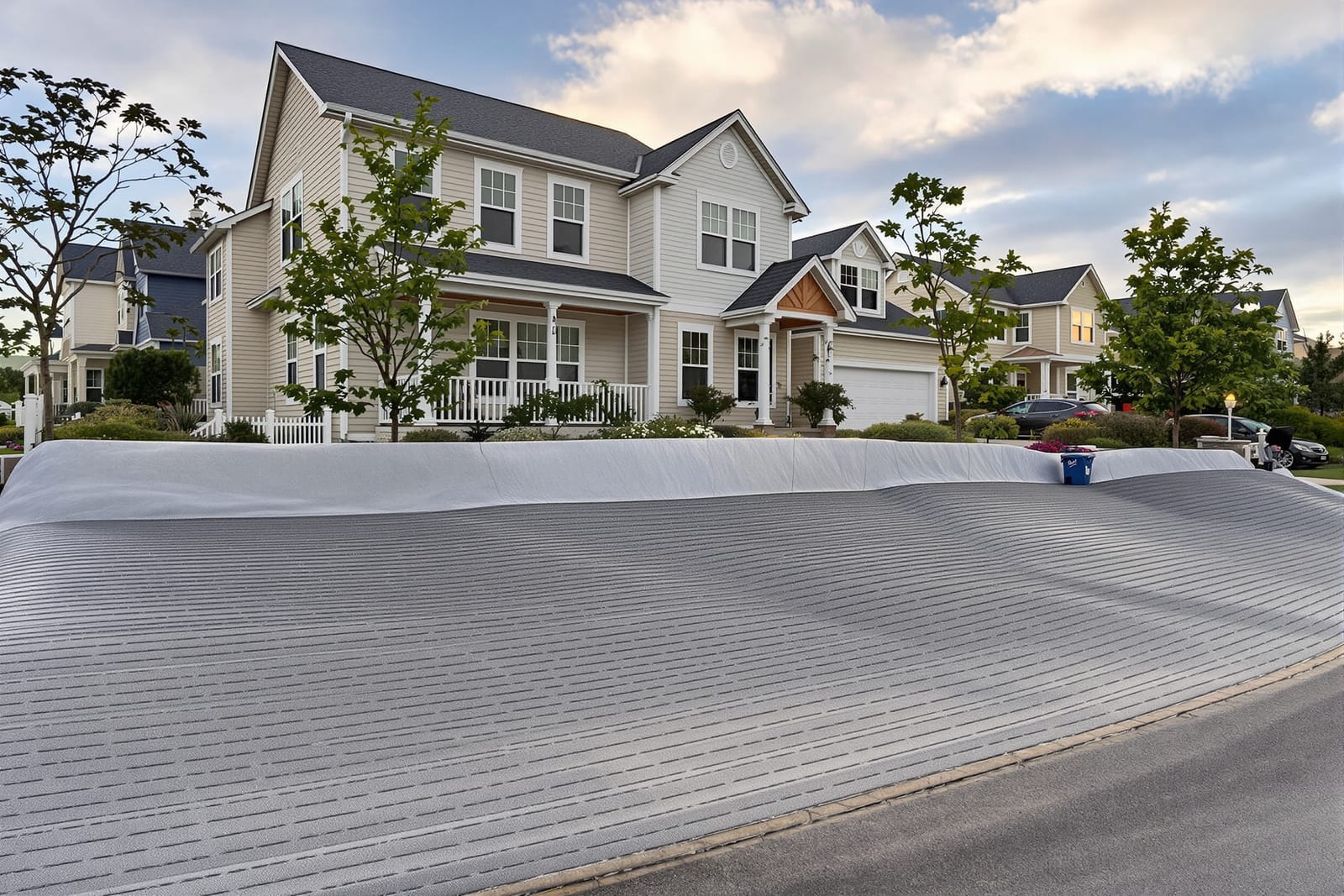
We install erosion control blankets and matting in Dallas, TX to secure soil and seed on challenging residential slopes. Our team combines straw or coir blankets with hydroseeding so grass can establish through the matting while the blanket prevents washouts in heavy rain.
Legendary Hydroseeding Dallas provides professional erosion control blankets throughout Dallas, TX, Texas and the surrounding area. Our licensed, insured crew delivers safe, clean, on-time work with a free estimate before anything begins. Call 682-452-6706 or request your free quote.
Erosion Control Blankets in Dallas, TX: Protection That Fits Our Soils and Storms
Steep slopes, bare construction sites, and freshly graded yards in Dallas do not stay put for long once a real Texas rain hits. At Legendary Hydroseeding Dallas, we use erosion control blankets and matting to lock soil in place while your vegetation establishes, especially on the clay-heavy and mixed fill soils common around Dallas, Plano, Garland, and the Mid Cities.
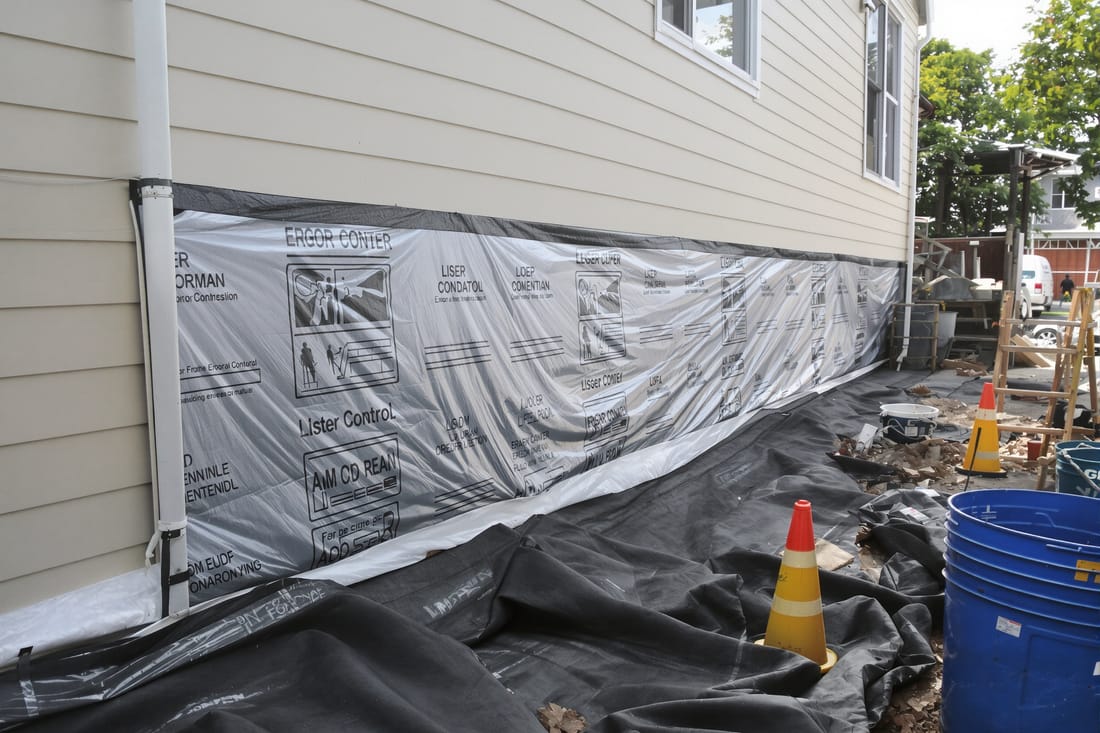
Erosion control blankets are roll materials that are laid over exposed soil, then anchored. They create a protective layer that slows water, traps sediment, and shields new seed. On our projects in Dallas, we match the blanket type to the site. For example, on a short residential slope in Oak Cliff we may use a lightweight straw blanket to help grass seed sprout quickly. On a steep, highly visible road embankment near a new subdivision in Frisco or McKinney, we are more likely to install a heavier coconut fiber mat that can hold up to stronger stormwater flow.
What makes this service work in North Texas is understanding our intense but sometimes short storm events, high summer heat, and the way local builders grade lots. Legendary Hydroseeding Dallas evaluates where water actually runs during a storm, not just what is shown on a plan. We look at soil type, slope length and angle, and how soon the area must be usable again. Then we specify the correct blanket and seeding approach, so you get protection that works in your real-world conditions, not just in a handbook example.
How We Install Erosion Control Blankets and Matting Step by Step
To get reliable erosion control, the installation details matter more than the material label. Our crews follow a consistent, field-tested process on every Dallas job.
First, we prepare the soil. We lightly grade and smooth ruts, remove construction debris, and, if needed, loosen compacted areas so roots can penetrate. If we are hydoseeding under the blankets, we apply the seed, fertilizer, and tackifier mix first, matched to your specific property use, such as turf for a front yard in Lakewood versus native mixes along a drainage channel in Mesquite.
Next comes layout. We start rolls at the top of the slope and unroll them downhill so water flows over the seams rather than under them. On long slopes, we create horizontal overlaps, also called check slots, where one blanket overlaps another by at least 6 inches. In critical areas, such as near storm inlets or at the bottom of a steep grade, we increase overlaps to 12 inches and add an extra row of staples.
We then secure the blankets with steel staples or biodegradable stakes, depending on project requirements. In typical Dallas clay, staples are driven 6 to 8 inches deep. On steeper slopes and high flow channels we tighten the pattern to a grid, for example every 2 to 3 feet, so the blanket cannot balloon during a heavy downpour.
At the top and bottom of slopes, we cut anchor trenches. We dig a shallow trench, bury the leading edge of the blanket, and staple it inside the trench. This simple step is what prevents water from rushing under the blanket and peeling it off. Finally, we inspect all seams, edges, and overlaps before we leave, so there are no loose sections that could lift with the first storm.
Material Options: Straw, Coconut, Jute, and High-Flow Matting
Not every blanket or mat is right for every Dallas site. Legendary Hydroseeding Dallas stocks several material types so we can match performance to your project and budget.
Straw blankets are common around new home construction and lighter slopes because they establish grass quickly and are cost effective. We usually use them on moderate slopes, residential yards, and general grading where runoff is not extreme. Many straw products are photodegradable, so they begin breaking down once vegetation is established and sunlight has done its job.
Coconut fiber (coir) blankets and mats are stronger and last longer. We recommend these on steep roadway embankments, detention ponds, and drainage channels that see concentrated water. Coir holds together even when we get one of those sudden, intense Dallas thunderstorms that sends a surge of water through a channel.
Jute mesh is an open, woven material that is helpful where we want more contact between mulch or topsoil and the ground, or where we are working around existing vegetation. It is often used on gentle slopes, restoration areas, or for added surface roughness under hydro mulch in high wind locations.
For very high flow zones, such as outfalls or areas draining large parking lots, we may specify reinforced erosion control matting. These products combine organic fibers with synthetic netting to create a stable matrix that can resist higher velocities. We talk through all these options with you, explaining how each one behaves over time in Dallas weather, so you understand exactly what is being installed and why.
Cost Factors for Erosion Control Blankets in the Dallas Area
Project owners in Dallas often ask why erosion control blanket pricing varies so much. The cost is not just the blanket itself. It is a mix of site conditions, material choice, and access.
Slope length and steepness influence both material quantity and labor time. A tall, steep slope behind a commercial center in Irving will need more overlaps, more staples, and more safety precautions for our crew than a short, gentle swale behind a single family home in Richardson, so the per square foot cost will be higher.
Material type is another major driver. Straw blankets are usually the most affordable per roll. Coconut and reinforced mats cost more but are often required by civil engineers or city inspectors when higher performance is needed. If your project has a municipal or TXDOT spec, we price according to the exact approved product and installation pattern.
Site access also plays a role. If we can park close to the work area and use carts or small machines to move rolls, time is reduced. If we must hand carry dozens of rolls up a long embankment or behind tight infill lots, labor hours increase. Rocky or heavily compacted soils can add cost as well because we may need to pre drill staple locations or use longer anchors.
To keep pricing transparent, Legendary Hydroseeding Dallas provides written estimates that break out square footage, material type, expected staple density, and any additional services like hydroseeding, soil prep, or follow up inspection after major storms. That way you can compare options and understand exactly what is included before you commit.
Common Erosion Problems in Dallas and How We Address Them
Dallas properties see a distinct combination of issues: clay soils that crack then wash, sudden intense thunderstorms, long dry periods, and frequent construction on fill. These conditions can overwhelm a generic erosion plan. Our approach is to anticipate failures before they happen.
One recurring problem is rill erosion, the small channels that appear on bare slopes after the first rain. We prevent this by combining properly selected erosion control blankets with contour tracking, which means following the slope lines during grading instead of leaving long straight paths for water to accelerate. We also install check slots in the blanket system to slow water at intervals.
Another issue is blanket lift, where wind or water pulls up the edges. Dallas can see strong gusts even on dry days. To counter this, we use tighter staple patterns near ridgelines and edges, and we pay extra attention to the first 24 inches at the top of the slope. In wind prone open areas, such as around warehouses near I 20 or open fields in Lancaster, we may recommend heavier mats or supplemental mulch under the blankets.
Sediment migration into storm drains and creeks is a big concern in local regulations. When we install erosion control blankets near inlets or waterways, we pair them with appropriate perimeter controls such as silt fence, rock checks, or inlet protection. The blankets protect the surface, while the other devices catch any particles that escape.
Finally, some sites are designed on paper without accounting for how residents will actually use the area. If kids or pets will frequently cross a blanketed slope, or if equipment must access a utility corridor, we may reinforce specific paths with rock or turf pavers so the blankets are not repeatedly damaged. We prefer to design realistic solutions that survive daily life instead of idealized ones that fail once people move in.
What Dallas Property Owners Should Ask Before Hiring an Erosion Control Contractor
Before you hire anyone to install erosion control blankets, a few focused questions can save you from headaches later. At Legendary Hydroseeding Dallas, we encourage you to ask these, whether you choose us or not.
Ask what specific blanket or mat types they recommend for your site and why. A reputable contractor will mention product categories, durability, and how long the material is expected to last in North Texas conditions. If the answer is just "we use standard blanket" with no detail, that is a red flag.
Request a description of their installation pattern. You should hear about top and bottom anchor trenches, overlap dimensions, and staple spacing that changes for steep slopes or channels. Proper installation details are what keep your soil on the hill instead of at the bottom after the first big storm.
Confirm how they coordinate erosion control blankets with seeding or sodding. In some cases, seed goes underneath the blankets, in others, it is hydraulically applied through the netting. We explain which approach we are using on your project and how long you should expect to wait before you see green cover.
Finally, ask about follow up. For critical slopes around commercial or public projects, we often schedule a post storm inspection, especially after the first heavy rain, to make sure blankets and matting are holding as expected. Our goal is to provide you with a stable, quickly vegetated surface that meets local standards and looks good long term, not just to roll out fabric and leave.
If you are planning a build, dealing with washouts on an existing property, or trying to meet a Dallas or suburban city inspection requirement, Legendary Hydroseeding Dallas can evaluate your site, recommend the right erosion control blankets and matting, and install them with attention to the details that matter in this part of Texas.