Home › Dust Control and Soil Stabilization
Our dust control hydroseeding in Dallas, TX applies hydromulch or tackified products to exposed soil, laydown yards, and stockpiles. We help contractors and industrial sites reduce airborne dust, improve air quality, and temporarily stabilize areas until final grading or paving.
Legendary Hydroseeding Dallas provides professional dust control hydroseeding throughout Dallas, TX, Texas and the surrounding area. Our licensed, insured crew delivers safe, clean, on-time work with a free estimate before anything begins. Call 682-452-6706 or request your free quote.
Targeted dust control hydroseeding for Dallas sites
Legendary Hydroseeding Dallas provides dust control and soil stabilization solutions designed specifically for North Texas conditions. Our focus is on keeping dust and loose soils in place on active construction sites, haul roads, vacant lots, slopes, and utility corridors across the Dallas area.
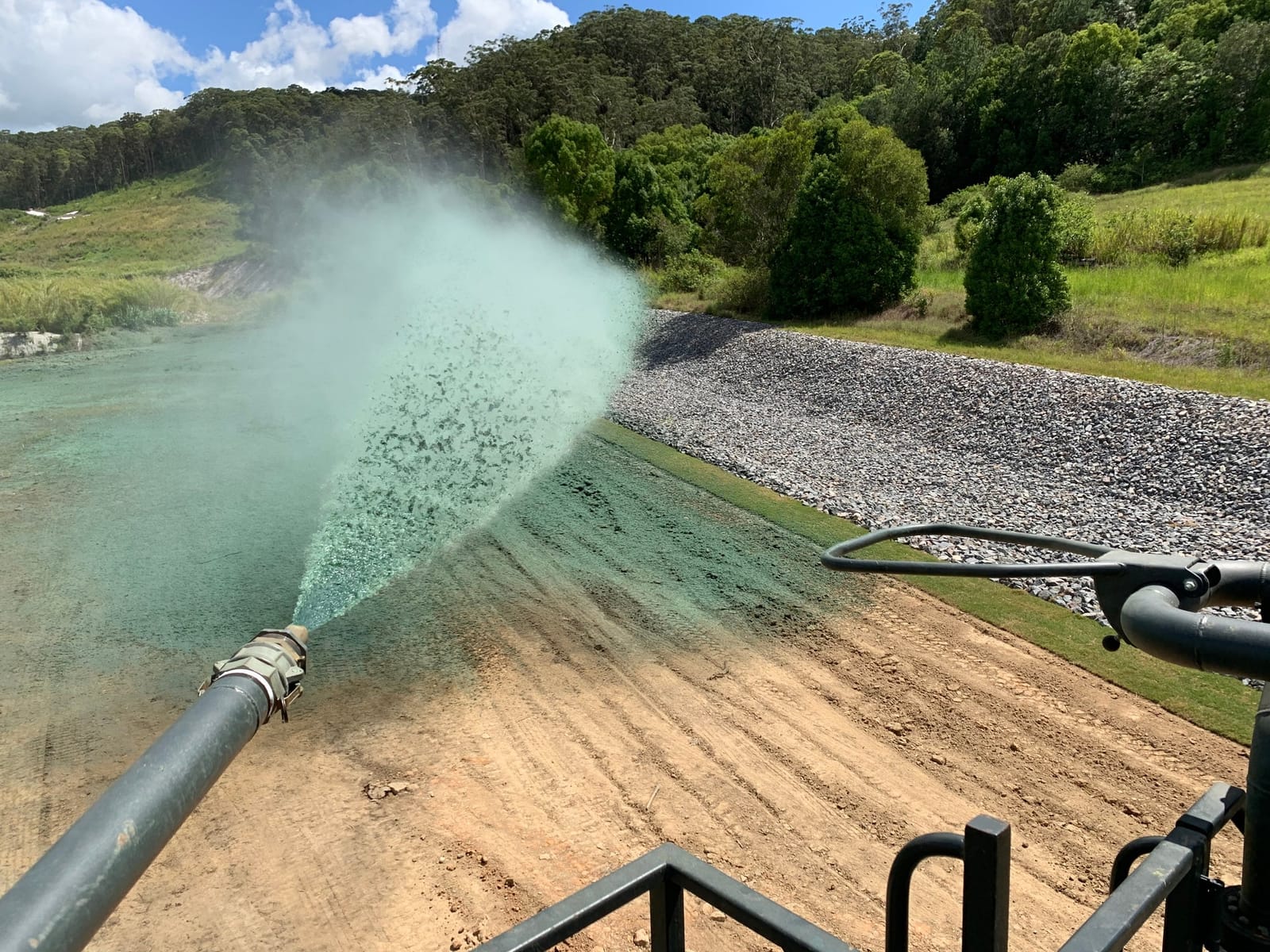
Instead of relying only on daily water trucks or short‑lived chemical sprays, we use dust control hydroseeding. This process applies a slurry of water, wood or paper fiber mulch, soil binders, and sometimes seed across exposed soil. Once it cures, the surface forms a protective mat that locks in fine particles, reduces windblown dust, and resists erosion from sudden thunderstorms.
For Dallas property owners, GCs, and developers, that means better visibility on site, fewer complaints from neighbors, and less risk of violating air quality and stormwater rules. We tune every mix to your soil type, slope steepness, and how long you need the surface to stay stable, whether that is a few months during grading or long‑term vegetative cover.
How dust control hydroseeding actually works
We start with a site visit to walk the property and look at soil condition, slope, access, and how traffic moves across the area. On Dallas infill projects, for example, we pay close attention to property lines, alley access, and nearby homes that are most likely to be affected by dust. For large greenfield jobs around the outer suburbs, we identify prevailing wind direction, drainage paths, and any receiving waters.
After assessment, we select the right mulch and tackifier combination. For short‑term dust suppression on flat pads, we may use a lighter paper mulch with a high‑performance soil binder so the surface locks up quickly and can be reworked later. For slopes or long‑term stabilization, we typically prefer high‑fiber wood mulch with strong tackifiers, sometimes combined with bonded fiber matrix products for added shear strength.
We then load the hydroseeder with water, mulch, binders, and, if specified, native or turfgrass seed. The slurry is agitated until it reaches an even, pumpable consistency. Our crew applies it using a hose or turret nozzle, overlapping passes so there are no bare gaps. Critical edges, such as around inlets, property lines, and near driveways, receive extra attention and often a heavier application rate.
Within several hours, the surface begins to cure as water evaporates. In most summer Dallas conditions, the mat is well set by the next day. For projects that also include seeding, the mulch layer holds moisture and temperature more evenly, which encourages faster germination once temperatures and watering are favorable.
Materials, mix designs, and options for Dallas soils
Not every dust control hydroseeding application is the same, and using the wrong mix can cause failures. Legendary Hydroseeding Dallas adjusts the recipe based on what we see on site and how you plan to use the area.
For heavy blackland clay common in Dallas and surrounding counties, we often choose a mulch that breaks the surface tension of the clay and a tackifier that resists cracking during thermal expansion. On sandy or fill soils, we increase mulch rate and sometimes include a polymer binder so the surface resists ruts from light construction traffic.
If you need purely temporary dust suppression, for example during a 90‑day grading phase, we can omit seed entirely and design the mix for strong surface binding and easy regrading later. For projects that must transition into permanent vegetation, we incorporate appropriate seed blends, such as Bermuda or Buffalo grass for high sun areas, or native mixes for drainage channels and HOA common areas.
We also offer environmentally sensitive options. Where projects fall under strict stormwater pollution prevention plans (SWPPP) or near waterways, we avoid chlorides and harsh chemical stabilizers and focus on fiber‑based and polymer binders that are designed to be non‑toxic at recommended rates. Our goal is a stable, dust‑free surface that still allows future planting and complies with local environmental expectations.
What drives cost for dust control and stabilization
Customers in Dallas often ask why dust control hydroseeding quotes can vary so much. The main drivers are coverage area, slope, product selection, and access.
Coverage area is billed by square foot or acre. Larger sites can benefit from volume pricing, but they also require more time and fuel. Slope and terrain complexity affect both material needs and labor. Steeper slopes or highly erodible soils need higher mulch and binder rates, which increases product cost, and they slow application because more work must be done from hoses instead of truck‑mounted nozzles.
Product choice is another factor. Basic paper mulch and standard tackifier are less expensive, but they do not perform as well on wind‑exposed or long‑duration projects. High‑performance bonded fiber matrix products, specialty polymers, or native seed mixes increase cost but deliver longer service life and better resilience during storm events.
Access can significantly impact labor. Tight urban job sites, restricted times for water access, or long hose runs around existing structures mean more crew time for setup and breakdown. We account for this in the estimate so there are no surprises later.
When Legendary Hydroseeding Dallas prepares a proposal, we outline coverage area, application rates, product types, and any seeding involved. That way, you can compare our scope accurately against cheaper options that might be using lighter rates or less suitable materials for Dallas weather.
Common dust control issues in Dallas and how we prevent them
Dallas projects face a combination of intense sun, sudden heavy rains, and frequent wind. These conditions create predictable problems that we plan for during design and application.
One issue is crust cracking. Dark clay soils can expand and contract as they dry out, which can fracture a weak mulch layer and release dust again. We mitigate this by using mulch with good fiber length and a binder that maintains flexibility, and by applying at the correct rate so the mat has enough thickness to move slightly without breaking apart.
Another concern is failure after a storm cell drops a quick inch or more of rain. Lightly applied tackifiers or thin mulch can sheet off the slope, leaving bare paths that quickly erode. For areas identified in the site walk as flow paths or high risk, we use heavier application rates or bonded fiber matrix, and we may recommend pairing our work with check dams or wattles as part of a complete erosion and dust control system.
Re‑disturbance is also common. Equipment accessing the site after application can tear up the stabilized surface. On active construction pads we plan traffic patterns before the work starts. We stabilize non‑traffic areas more aggressively and coordinate with the GC so haul routes and staging zones remain open or are treated differently. If rework is needed, we target repairs only where the mat is broken rather than redoing the entire site.
Regulations, HOAs, and compliance in the Dallas area
Dust and soil stabilization on larger sites in Dallas is not just a convenience, it is tied to regulatory compliance. Many construction projects operate under Texas Commission on Environmental Quality (TCEQ) and EPA stormwater permits that require effective erosion and sediment control. Excessive visible dust can also draw attention from city inspectors and neighbors, which can delay work.
Legendary Hydroseeding Dallas understands the expectations attached to SWPPPs, city inspections, and documentation. We can provide product data sheets, application rates, and maps of treated areas if your inspector or third‑party SWPPP consultant requests proof of controls. By using hydroseeding for dust control, you often satisfy both dust suppression and temporary soil stabilization requirements with a single practice.
In HOA communities and commercial developments, appearance is just as important as function. HOAs may require vacant lots and common areas to be kept free from blowing dust and excessive bare soil. We work with property managers to select seed mixes and mulch colors that satisfy both aesthetic rules and maintenance budgets, and we schedule work to minimize disruption to residents or tenants.
Because we work across Dallas and surrounding cities, we keep track of local expectations on construction cleanliness and can advise you when additional measures like street sweeping or inlet protection should be paired with hydroseeding for full compliance.
What to expect when you hire Legendary Hydroseeding Dallas
When you contact Legendary Hydroseeding Dallas for dust control hydroseeding, we begin by gathering basic information: address, site size, current condition, how long you need the control to last, and any permit or HOA requirements you are working under. A site visit usually follows so we can measure and confirm access.
You receive a written proposal that outlines the treatment areas, materials, approximate application rates, and any optional upgrades, such as long‑term native seeding. Once approved, we schedule around your grading, utility work, and inspections to avoid treating areas that are about to be disturbed again.
On application day, our crew arrives with the hydroseeder filled or ready to connect to a nearby water source. We cover vehicles or structures that need protection, then apply the slurry in controlled passes. Most residential or small commercial jobs are completed in a single day. Larger tracts may take longer, but we phase work to cover the most vulnerable and dust‑prone areas first.
After application, we walk the site with you or your superintendent to review coverage and any areas to monitor, especially slopes and drainage paths. For jobs that include seeding, we provide simple guidance on watering and traffic restrictions to get vegetation established. If a major weather event or unexpected disturbance occurs soon after installation, we can return to spot‑repair problem areas so your site remains compliant and functional.