Home › Commercial Lawn and Turf Installation by Hydroseeding
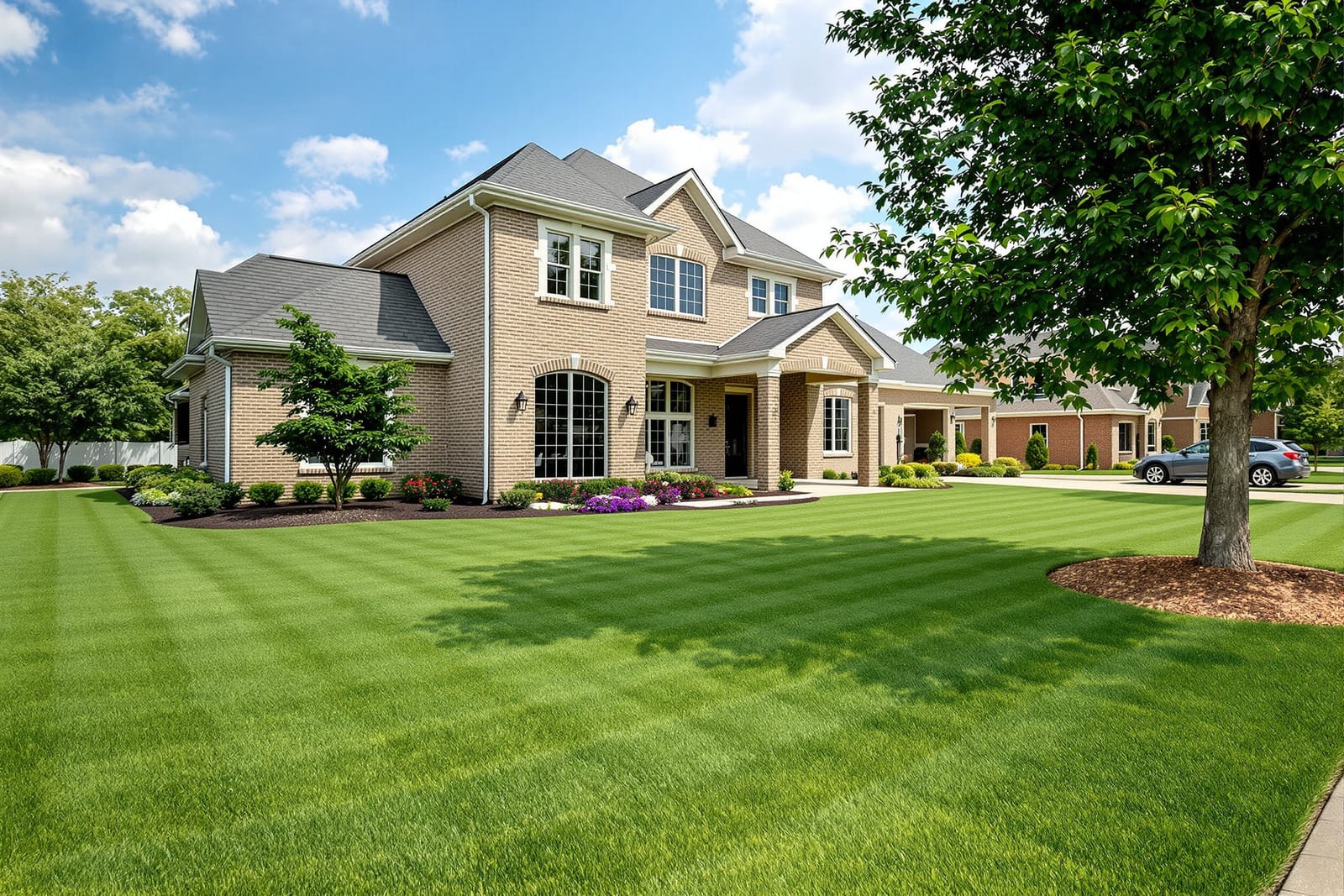
Our commercial lawn hydroseeding in Dallas, TX installs attractive turf around offices, schools, churches, and retail centers. We prepare soil, apply seed and mulch, and help you establish a uniform lawn that enhances property value at a lower cost than sod.
Legendary Hydroseeding Dallas provides professional commercial lawn hydroseeding throughout Dallas, TX, Texas and the surrounding area. Our licensed, insured crew delivers safe, clean, on-time work with a free estimate before anything begins. Call 682-452-6706 or request your free quote.
Commercial Hydroseeding for Dallas Properties
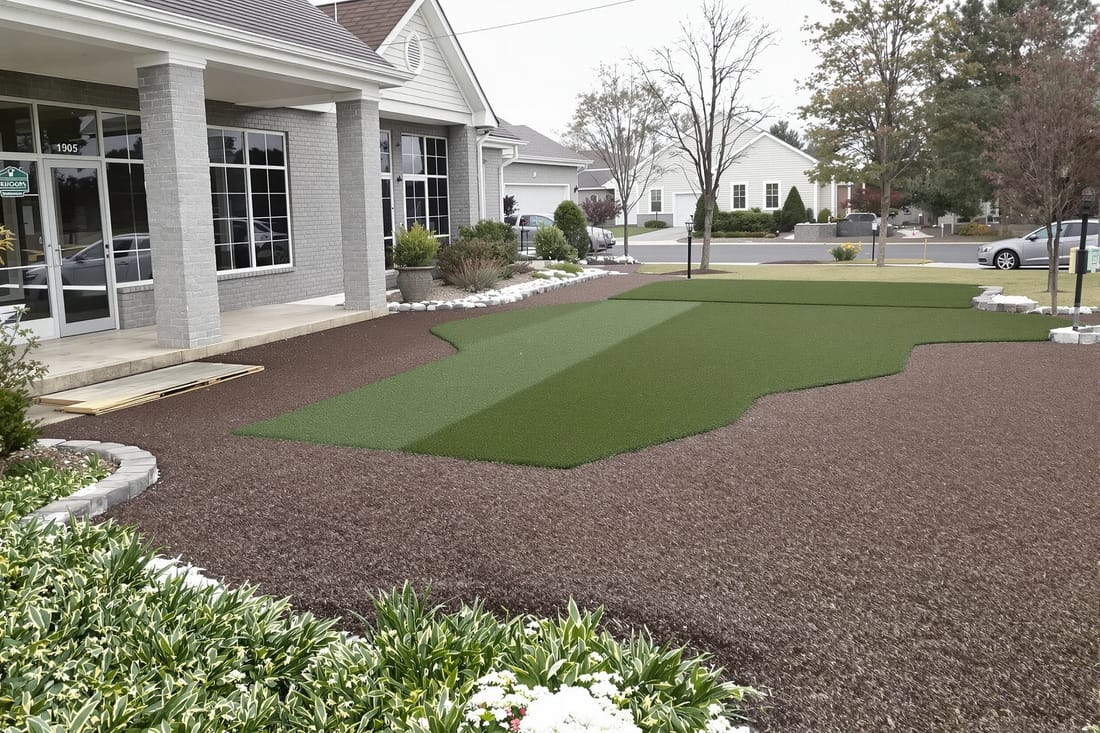
Legendary Hydroseeding Dallas installs commercial lawns and turf using hydroseeding that is designed for North Texas heat, clay soils, and heavy foot traffic. We focus on practical, durable results for properties that have to look good and stay functional, not just pass an inspection.
Commercial lawn hydroseeding uses a pressurized tank to spray a slurry of grass seed, water, fertilizer, tackifier, and mulch across prepared soil. This method gives much faster coverage than hand seeding and a more affordable result than sod over large areas. We build each mix around your exact site conditions and use seed varieties that can handle full Texas sun, 100-plus degree summers, and occasional hard freezes.
Our team works on office parks, medical campuses, industrial facilities, schools, churches, retail centers, and large HOAs across the Dallas area. We can handle new construction, expansion areas around existing buildings, and renovation of failed or worn out turf. Every project is scoped with traffic patterns, irrigation, drainage, and maintenance realities in mind, not idealized conditions that will never exist once you open the site to the public.
How Commercial Lawn Hydroseeding Works Step by Step
For commercial lawn hydroseeding in Dallas, the process matters more than the product alone. Legendary Hydroseeding Dallas follows a defined sequence so the lawn establishes quickly and holds up once tenants and customers start using the space.
1. Site review and planning: We walk the property, note sun exposure, heavy-traffic routes, slopes, and drainage issues. On commercial sites this usually includes parking lot edges, detention ponds, utility corridors, and entrances where splash and compaction are common. We identify any city or HOA landscape requirements that may affect grass type or coverage.
2. Soil testing and grading: If needed, we pull soil samples to check pH and nutrient levels. Many Dallas sites have compacted clay or imported fill. We scarify or lightly till the top layer, correct low spots that hold water, and shape swales so stormwater drains to intended inlets instead of across sidewalks or entries.
3. Soil amendments: Based on the soil test and planned use, we may blend in compost, sand, or topsoil in localized areas. For highly compacted construction pads, we often add organic matter and slow release fertilizer so roots can penetrate and the lawn does not fail in its first summer.
4. Seed mix selection: We choose seed varieties based on maintenance expectations and irrigation capacity. Common commercial options include bermudagrass blends for full sun, temporary rye for quick green cover during cooler months, and specialty mixes for shaded courtyards or steep slopes. For sports or play areas we use wear tolerant blends with quicker recovery.
5. Hydroseeding application: We load the tank with water, seed, fertilizer, mulch, and tackifier, then apply in controlled passes for even coverage. Edges along sidewalks, curbs, and structures are carefully sprayed to avoid overspray on finished surfaces. On slopes or detention banks we increase tackifier rates to reduce erosion and washout during storms.
6. Post-install watering and care: After application, we provide a written watering schedule tailored to the season and your irrigation system. For most Dallas spring and summer installs, this means multiple short cycles per day at first, then gradually fewer, deeper cycles. We also outline first mowing timing, traffic restrictions, and weed management steps so the lawn can establish correctly in the first 60 to 90 days.
Seed, Mulch, and Fertilizer Options That Work in North Texas
The mix inside the hydroseeder tank is where commercial lawn hydroseeding can succeed or fail. Legendary Hydroseeding Dallas adjusts the recipe for your specific site instead of using one standard blend on every project in the Metroplex.
For sunny commercial sites we often recommend common or improved bermudagrass because it handles heat, drought, and foot traffic. On properties that must stay visually green year round for retail or hospitality, we can install bermuda as the base with a cool-season rye overseed in fall, so the lawn stays presentable through winter without full resodding.
In shaded or partially shaded areas near buildings or trees, we use shade-tolerant fescue or specialty blends where appropriate. Many commercial designs show uniform turf everywhere, but we will tell you plainly where grass will struggle and suggest groundcover or bed changes so you are not paying to repeatedly reseed a problem zone.
Mulch choices include wood fiber mulch for most flat or gently sloped areas and heavier bonded fiber matrices on slopes, drainage channels, or detention ponds where erosion is a concern. The mulch fibers hold moisture, protect seed from birds and wind, and help stabilize soil until roots knit everything together.
We use starter fertilizers tailored to local soil conditions, typically with controlled nitrogen and added phosphorus only when soil tests justify it. This helps promote strong root development without pushing weak top growth that burns out in the first heat wave. Tackifiers are added at different rates depending on slope and expected rainfall, which is important in Dallas where sudden thunderstorms can hit freshly installed lawns.
Cost Factors for Commercial Hydroseeding in Dallas
Commercial lawn hydroseeding is usually the most cost effective way to establish large lawns and turf on Dallas properties, but there are real variables that affect pricing. Legendary Hydroseeding Dallas is upfront about these so you can plan your budget accurately.
Total square footage is the biggest driver. Large open areas are less expensive per square foot than many small islands and narrow strips that require more hose work and edging. Complex apartment or mixed use projects with lots of parking islands, courtyards, and narrow side yards will take more labor time than a simple office park lawn of the same total size.
Site preparation has a major impact. If the builder has already provided final grade with clean, rock free soil, our prep is minimal. If we have to correct grading, remove construction debris, break up compaction from equipment tracks, or import topsoil in certain areas, costs will increase. It is usually more economical to fix these issues before any concrete or hardscape is fully finished, so equipment access is easier.
Seed variety and mulch type will also influence cost. Specialty blends for heavy traffic, shade, or erosion control are more expensive than basic bermuda mixes. Heavier mulch and tackifier applications are needed on slopes and around detention features. On large projects, dividing the site into zones with different mixes can control cost while still putting the right product in the right place.
Access and water availability matter too. Projects where we can park the hydroseeding unit near the work area and connect to nearby hydrants or water sources are more efficient. Sites with limited access, long hose runs, or no active water service may require water haul-in or staging, which adds to the total. We review these factors during the site walk so there are no cost surprises later.
Common Problems, Local Requirements, and How We Handle Them
Dallas commercial properties face specific challenges once the lawn goes in, especially in the first year. Legendary Hydroseeding Dallas designs and installs with those issues in mind so you are not dealing with callbacks and complaints as soon as tenants move in.
Erosion and washouts around parking lots and retention areas are frequent on new construction sites. To reduce this, we adjust mulch and tackifier rates, may use erosion control blankets on critical slopes, and coordinate with your civil engineer on water flow paths. If a major storm does cause localized damage shortly after installation, we can target repair those areas instead of redoing the entire site.
Inconsistent irrigation coverage is another recurring problem. City water restrictions, pressure variations, and poorly adjusted heads can leave dry strips that fail. We work with your irrigation contractor to confirm coverage plans and provide watering guidelines that align with typical North Texas restrictions, such as time-of-day limits and seasonal schedules.
HOAs and commercial developments around Dallas often have landscape standards related to turf coverage percentage, front setback lawns, and visibility at entrances. While hydroseeding itself does not usually require a city permit, the overall landscape plan sometimes does. We can seed according to your approved landscape drawing and provide documentation of seed type and application date if required during CO inspections or HOA sign offs.
We also address weeds and early maintenance. Construction sites tend to have a dormant weed seed bank that can emerge once watering starts. We explain what level of weed presence is normal in a new hydroseeded lawn, when it is safe for your maintenance provider to apply selective herbicides, and how mowing height affects weed pressure and root development. This helps property managers plan maintenance budgets and avoid overreacting to normal establishment phases.
What Dallas Property Managers Should Know Before Hiring
Before you choose a contractor for commercial lawn hydroseeding, it helps to know what you are actually buying. Legendary Hydroseeding Dallas encourages property managers, GCs, and owners to look at more than just the price per square foot.
Ask for details on the exact seed blend, mulch type, and application rates proposed, and make sure they are suited to Dallas heat and your irrigation capacity. A low bid using a light mulch rate or inappropriate cool season mix may look attractive on paper, but can result in thin coverage, erosion, and high replacement costs within a year.
Confirm who is responsible for final grading, debris removal, and irrigation startup. Hydroseeding over poorly graded or rocky soil will not fix underlying issues. Clear handoff between the grading contractor, irrigation installer, and hydroseeding crew prevents finger pointing if problems appear.
Clarify the expected timeline from site readiness to completion. We typically schedule commercial lawn hydroseeding soon after final grading and irrigation testing, and we adjust installation times around concrete pours and paving to avoid damage from construction traffic. For many Dallas projects, the ideal window is early morning or late afternoon applications during the warm months to reduce stress on seed and mulch.
Finally, discuss establishment expectations, not just day one appearance. A properly installed commercial hydroseeded lawn in Dallas should show visible germination within 7 to 14 days in warm weather, usable coverage in 4 to 6 weeks, and full density in one growing season with correct watering and mowing. We outline these benchmarks upfront so you can judge performance objectively and plan opening dates or tenant move-ins accordingly.