Home › Native and Wetland Restoration Hydroseeding
Our native restoration hydroseeding in Dallas, TX helps restore wetlands, stream buffers, and habitat areas with diverse native seed mixes. We apply custom blends for upland, riparian, and wetland zones to support long term ecological function and regulatory compliance.
Legendary Hydroseeding Dallas provides professional native restoration hydroseeding throughout Dallas, TX, Texas and the surrounding area. Our licensed, insured crew delivers safe, clean, on-time work with a free estimate before anything begins. Call 682-452-6706 or request your free quote.
Native Restoration Hydroseeding That Fits North Texas Ecology
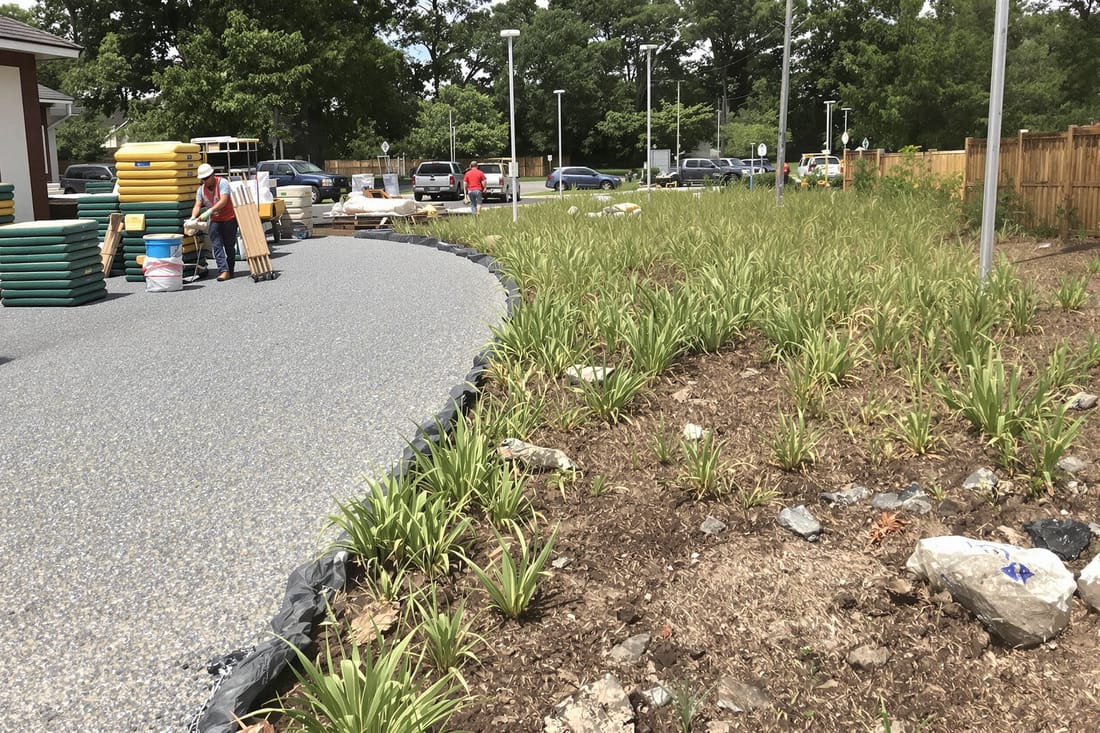
Native restoration hydroseeding is very different from spraying a standard lawn mix. For restoration work in and around Dallas, Legendary Hydroseeding Dallas focuses on plant communities, soil function, and long term stability, not just quick green cover. We select native grasses, forbs, and wetland species that match the exact conditions on your site, such as upland prairie, riparian corridor, or detention pond shelf.
Our work typically supports projects like mitigation sites, stream and creek corridors, stormwater features, and naturalized open spaces around commercial or municipal developments. We pay close attention to City of Dallas and North Texas regional requirements, including erosion control standards and, when applicable, specifications from engineering or environmental consultants.
Before any seed mix is chosen, we confirm three things: soil type, hydrology, and existing vegetation pressure. A mesic blackland prairie slope, a frequently inundated wetland bench, and a periodically saturated bioswale all require very different native mixes and timing. We design the hydroseed approach around those realities so you get a stand of plants that survives our local heat, flashy storm events, and seasonal drought, not a cosmetic fix that fails in two summers.
Assessing Your Site: Soils, Water, and Existing Conditions
A successful native restoration hydroseeding job starts with a site visit. In the Dallas area, we frequently see compacted clay subgrades, thin topsoil, and grading that changes how water moves across a property. Legendary Hydroseeding Dallas walks the site to identify slopes, low points, inlets, and areas that hold water after a storm.
We note soil texture and structure by hand and, on larger projects, we may recommend a basic soil test to check pH, salinity, and organic matter. Many restoration sites here are on heavy black clay or disturbed fill. That affects how we choose mulch types and whether soil amendments like compost or gypsum make sense before hydroseeding.
We also look for invasive or nuisance species that will compete with your native or wetland mix. Johnson grass, bermudagrass, and Johnsongrass are common problems around Dallas. If those are already established, we may recommend a pre treatment plan that can include herbicide applications or mechanical removal before seeding. Ignoring this step is one of the main reasons native restoration projects fail, so we address it up front along with access challenges, equipment staging, and any restrictions around nearby waterways or protected areas.
How Native and Wetland Hydroseeding Is Actually Applied
With restoration work, the hydroseeding process itself becomes more technical than a standard lawn application. After any grading, soil prep, and weed control are completed, Legendary Hydroseeding Dallas mixes your custom native or wetland seed blend with water, mulch, tackifier, and any specified additives inside our hydroseeder.
For upland or prairie style areas, we may use a combination of paper and wood fiber mulch for good seed to soil contact and moisture retention. For steeper slopes, channels, or areas subject to fast runoff, we shift to heavier wood fiber, higher tackifier rates, and sometimes pair the hydroseed with erosion control blankets or turf reinforcement mats. This combination is common along creek banks and detention pond side slopes in Dallas where intense thunderstorms can cause washouts.
Wetland restoration hydroseeding requires careful attention to planting elevations. We separate seed choices by wetness tolerance. Species that tolerate frequent inundation, such as some sedges and rushes, go on the lower benches. Transitional species and wet tolerant grasses are placed on the mid and upper slopes. The hydroseeder allows us to control where each mix is applied, which gives you a better survival rate as water levels fluctuate through our hot, dry summers and occasional flood events.
Choosing Seed Mixes for North Texas Native and Wetland Sites
Legendary Hydroseeding Dallas does not use a one size fits all "native mix." Instead, we start with your goals and any project specifications, then adjust to what will actually perform around Dallas. For upland native restoration hydroseeding, we often recommend a blend of drought tolerant warm season grasses like little bluestem, sideoats grama, and Indiangrass, combined with a diverse set of forbs for pollinators and seasonal color.
In wetter zones or constructed wetlands, we introduce species that handle periodic inundation and still root deeply enough to stabilize soil. These might include appropriate native sedges, rushes, and wet tolerant grasses suited to North Texas, along with selected broadleaf species that can tolerate wet feet but also survive drying cycles in late summer. We also consider local seed availability and lead time, which can affect both cost and schedule.
Where projects have specific regulatory or mitigation requirements, we work from the provided plant list and match it to commercially available seed. If a specified species is unavailable or prohibitively expensive, we propose realistic substitutions that keep the functional goals intact, such as bank stabilization or habitat value. Throughout, we prioritize locally adapted ecotypes when possible so the final plant community is resilient in our particular Dallas climate and clay soil conditions.
Costs, Timelines, and Common Challenges in Dallas Projects
Costs for native restoration hydroseeding in Dallas vary widely because this is not a basic turf job. Price is driven by site size, access, slope, seed composition, and how much prep and follow up maintenance are needed. High diversity native or wetland mixes use more species and sometimes harder to source seed, which is more expensive than a simple grass blend. Steep slopes or sensitive wetland edges can also increase cost because of higher mulch rates, erosion controls, and more careful application.
Timelines are tied to season and weather. In North Texas, we often target late fall through early spring for many native grass and wildflower mixes, when soil moisture is better and temperatures are moderate. Wetland and riparian work has more flexibility, but we still avoid extreme heat waves and extended dry periods when possible. Legendary Hydroseeding Dallas will walk you through realistic establishment expectations, usually one to three growing seasons before a site looks fully mature.
Common problems on local restoration sites include erosion from sudden storm events, weed pressure from bermudagrass and other invasives, and irrigation misconceptions. Many native and wetland plantings do not want constant irrigation like a traditional lawn. Instead, they need strategic supplemental watering in the first season, then gradual tapering off. We explain these nuances up front and can build a maintenance outline that includes reseeding thin areas, managing sediment build up in channels, and spot treating invasives without damaging the native community you are trying to establish.
What Legendary Hydroseeding Dallas Handles For You
Successful native restoration hydroseeding requires coordination between owners, contractors, and sometimes regulators. Legendary Hydroseeding Dallas acts as a practical partner. We review plans and specifications, flag issues that could hurt performance, and recommend constructible solutions such as adjusting seed zones, altering mulch spec on critical slopes, or phasing work around utility installation.
Before mobilization, we confirm access for our hydroseeding equipment, water source logistics, and any sensitive areas that require protection. During application, we document what was applied where, along with seed lot information if required for submittals or regulatory reporting. After seeding, we can provide site specific guidance on mowing or clipping heights, timing of initial weed control, and when it is appropriate to evaluate establishment for closeout.
For local governments, engineers, and private landowners around Dallas, the main benefit is that you are not guessing your way through a specialized scope of work. We bring specific experience in North Texas native and wetland restoration, so you get a plan that fits the realities of our weather, soils, and construction schedules, and a hydroseed installation that is set up to meet its ecological and compliance goals over the long term.