Home › Slope, Embankment, and Retention Pond Hydroseeding
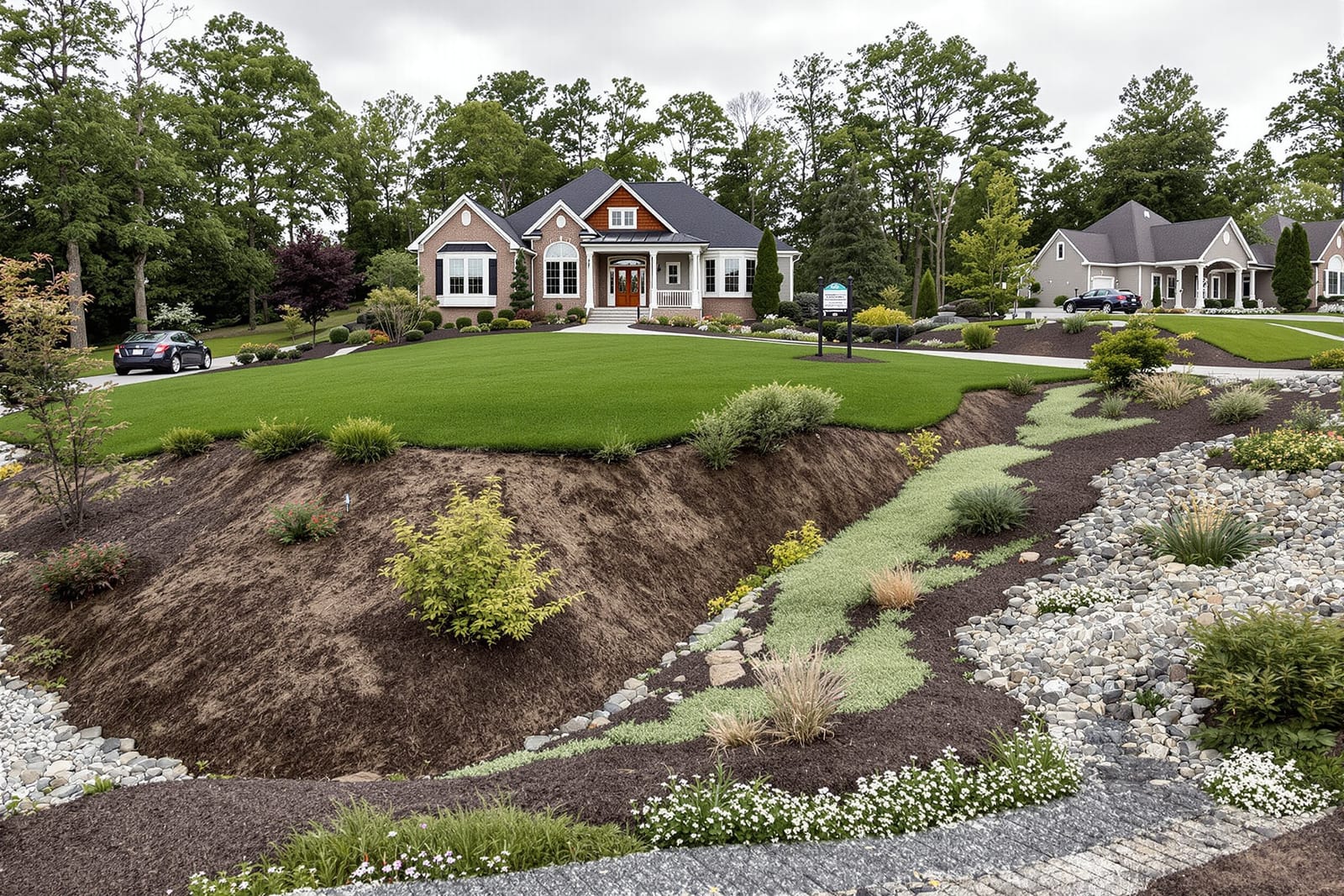
We specialize in commercial slope hydroseeding in Dallas, TX for embankments, detention basins, and drainage channels. Our crews safely access steep areas and apply engineered seed and mulch mixes that hold soil, reduce erosion, and meet project specifications.
Legendary Hydroseeding Dallas provides professional commercial slope hydroseeding throughout Dallas, TX, Texas and the surrounding area. Our licensed, insured crew delivers safe, clean, on-time work with a free estimate before anything begins. Call 682-452-6706 or request your free quote.
Slope and Embankment Hydroseeding in Dallas, TX
Steep slopes in North Texas do not forgive shortcuts. At Legendary Hydroseeding Dallas, we approach commercial slope hydroseeding like a stability project first and a turf project second. Our work is built around erosion control for highway embankments, commercial pads, detention and retention pond berms, channels, and large HOA common areas.
On a typical slope or embankment job, we start by walking the site and looking at three things: slope angle, soil type, and how water actually moves across and down the bank during a storm. Dallas clay behaves very differently than the sandier soils you see closer to the lake, so our slurry recipes and erosion control measures are adjusted accordingly. We flag rills, washouts, and any soft spots that will need correction before we spray.
Commercial slope hydroseeding is not just grass sprayed on dirt. We design a seed and mulch system that can survive a 2 to 4 inch Gulf storm, heavy runoff from upstream impervious surfaces, and foot or maintenance traffic along the slope top. That means tighter species mixes, heavier mulch rates, and often the use of tackifiers or bonded fiber matrices on the steeper faces. Everything is laid out to meet or exceed local stormwater and erosion control expectations for Dallas and surrounding jurisdictions.
How Our Hydroseeding Process Works on Steep Ground
The process changes when the ground tilts. Legendary Hydroseeding Dallas uses a different setup for steep slopes and pond banks than we use for flat commercial lawns. Our crews run larger, mechanically agitated hydroseeders that can handle heavy wood fiber mulches and soil binders without clogging.
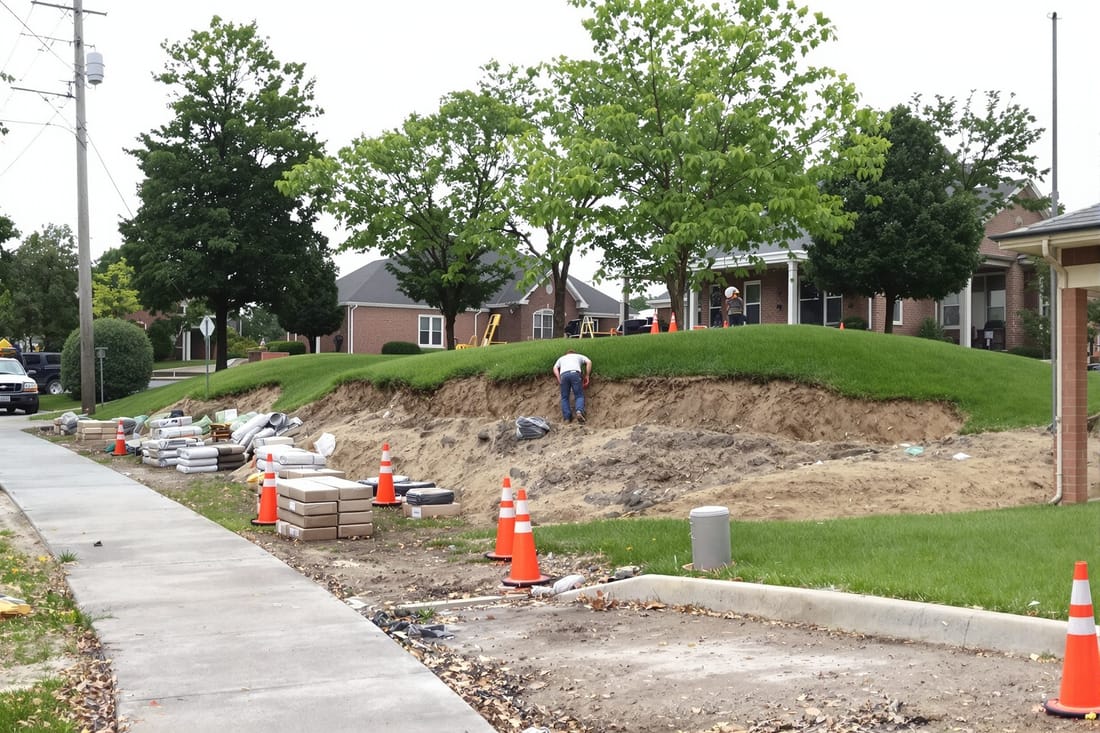
Step 1 is surface preparation. We coordinate with your grading contractor to ensure the slope is trimmed to final grade, compacted to the specified density, and free of large clods and construction trash. On very tight Dallas clays, we often recommend light scarification to a shallow depth so the slurry can key into the soil instead of sitting on a polished surface.
Step 2 is soil amendment and seed selection. For highly compacted or fill slopes, we may blend in starter fertilizer, soil conditioners, and sometimes a small amount of organic matter directly into the slurry. Seed is chosen for fast initial cover and long term durability. On hot, exposed faces, we usually specify a warm season turf mix that can handle 100 plus degree days and limited irrigation.
Step 3 is application technique. For slopes, we spray in overlapping horizontal passes from the top when we can safely access, then from the toe with long range nozzles. Coverage is visually checked as we go to avoid thin spots that can become erosion paths. On very steep or tall slopes, we may apply in two layers, a first pass with seed and fertilizer, and a second pass with additional mulch and tackifier.
Step 4 is final inspection and touch up. We walk the slope, check transition areas at the top and bottom where erosion usually starts, and hand spray any missed pockets around structures, pipes, or outfalls. You receive clear watering and access instructions to avoid traffic damage while the slope establishes.
Retention Pond and Basin Bank Hydroseeding
Retention and detention ponds around Dallas present their own challenges. You have fluctuating water levels, soft or silty soils at the water line, and often strict stormwater management requirements in your development plans. Legendary Hydroseeding Dallas treats these banks as functional infrastructure, not just landscaping.
Before hydroseeding, we review your civil plans to confirm designed elevations, maintenance access paths, and any specified plant communities. Some Dallas, TX jurisdictions and HOAs now require a vegetated buffer with specific species to filter runoff before it reaches the water. We select seed mixes that provide root mass for bank stability, tolerate periodic submersion or wet feet, and still meet your visual standards.
We prep retention pond slopes by carefully grading to eliminate low pockets that could hold standing water and kill young grass. On the lower banks, we may specify species with better moisture tolerance and use heavier mulch and tackifier to resist minor water level changes. On the upper shoulders and surrounding embankments, we transition to more traffic tolerant turf that can be maintained with standard mowers.
The hydroseeding itself is scheduled around forecasted rain so the slurry has time to set. Inlets, outlets, and emergency spillways receive special attention, often with upgraded mulch products or additional erosion control blankets installed before or after hydroseeding, depending on the design. This combination approach is what keeps your pond banks from sloughing into the water over the first few storm seasons.
Materials, Mulch Types, and Seed Mix Options
Commercial slope hydroseeding lives or dies on material choices. Legendary Hydroseeding Dallas does not use one generic mix for every project. We adjust fiber type, mulch rate, tackifier, and seed based on your site and risk tolerance.
For most Dallas slopes and embankments, we use a high quality wood fiber mulch or a blended fiber mulch, not inexpensive paper alone. Wood fibers interlock better, hold more moisture, and resist sloughing on inclines. On critical areas or slopes steeper than 3:1, we often switch to a bonded fiber matrix or flexible growth medium, which creates a more durable mat over the soil.
Seed options are tailored. On sunny highway or commercial slopes, warm season grasses dominate. On shaded pond banks under tree lines or structures, we adjust the blend to something that can handle less light. For developers who must meet re vegetation or native restoration notes on their plans, we can include native grasses or forbs in the mix, but we are honest about their slower establishment times.
Fertilizers and soil amendments depend on your soil test results. In many Dallas fill sites, phosphorus is restricted or controlled due to stormwater policies, so we use balanced, slow release products that fit within those guidelines. Tackifiers are selected based on expected rainfall and slope length. For long slopes with a clear path for water to gain speed, we use stronger binders to keep the mulch in place during the first big storm.
Costs, Scheduling, and Local Compliance in Dallas
Commercial slope hydroseeding costs in Dallas are driven by four main factors: access, slope difficulty, materials, and total square footage. If we can reach the area with a truck and trailer parked on stable ground, costs stay relatively low. If we have to run long hose lines down ravines or around active construction, labor time increases.
Steeper and longer slopes require heavier mulch rates, upgraded products like bonded fiber matrices, and sometimes multiple passes, all of which add material cost. Retention pond banks can cost more per square foot because of soft soils, limited access, and the need for more robust erosion control around structures. On the other hand, large continuous areas allow us to work efficiently, which brings the unit cost down.
From a compliance standpoint, Dallas and many nearby cities enforce stormwater pollution prevention plans on commercial projects. That means your vegetation establishment is not just cosmetic, it affects your inspections and the ability to close out permits. We are familiar with typical SWPPP requirements and coordinate our timing so hydroseeding lines up with your inspection schedule. On some projects, inspectors will want to see both hydroseeding and additional erosion control measures. We can provide documentation of seed blends, mulch types, and application rates to support those reviews.
We typically schedule slope and pond hydroseeding with the season in mind. In Dallas, peak windows are spring and early fall, when soil temperatures and rainfall patterns help establishment. We will do summer work, but our recommendations for watering and mulch types change to account for extreme heat and high evaporation.
What Property Owners Should Know Before Hiring
If you are a GC, property manager, or developer planning slope or retention pond hydroseeding in Dallas, TX, there are a few things you should line up before we arrive. First, confirm that grading and compaction are truly complete and that no more heavy equipment will run over the slope after we spray. Fresh tracks and ruts are one of the fastest ways to lose a new hydroseed installation.
Second, verify access and water availability. Our hydroseeders carry water, but on larger commercial slope hydroseeding jobs we often top off on site. A working hydrant or standpipe setup speeds the job and lowers your cost. If the site is still very muddy or rutted, it may be worth waiting a day or two so our equipment can safely reach the work area without getting stuck or chewing up finished grades.
Third, understand that hydroseeding is not instant green. The mulch is visible immediately, but germination takes time. In Dallas heat, you may see growth in 5 to 10 days during prime conditions, or longer in cooler months. You or your irrigation contractor must be ready to water on schedule once we are done. Slopes often need more frequent but lighter watering so you do not trigger erosion.
Finally, ask for specifics when you compare bids. You should know what mulch type is being used, what seed blend is specified, whether a tackifier or bonded fiber matrix is included, and what square footage the proposal is based on. Legendary Hydroseeding Dallas puts these details in writing so you can compare apples to apples and know that your slopes, embankments, and retention pond banks are set up to hold through Dallas weather, not just look good on day one.