Home › Construction Site Erosion Control Hydroseeding
We provide construction erosion control hydroseeding in Dallas, TX to stabilize disturbed soils and help meet SWPPP requirements. Our team quickly covers exposed areas with appropriate seed and mulch so you reduce sediment runoff, avoid violations, and keep projects on schedule.
Legendary Hydroseeding Dallas provides professional construction erosion control hydroseeding throughout Dallas, TX, Texas and the surrounding area. Our licensed, insured crew delivers safe, clean, on-time work with a free estimate before anything begins. Call 682-452-6706 or request your free quote.
Hydroseeding for Construction Erosion Control in Dallas
On active construction sites in Dallas, erosion control is not just about keeping dirt in place. It affects your schedule, regulatory compliance, safety, and how your finished project looks. Legendary Hydroseeding Dallas focuses specifically on construction erosion control hydroseeding, which means we tailor everything to disturbed soils, steep cuts, and high-traffic areas that come with building in North Texas.
Hydroseeding for erosion control is a spray-applied slurry that typically includes seed, mulch, tackifier (a natural glue), fertilizer, and sometimes soil amendments. We apply it with a hydraulic machine that keeps the mix agitated, then spray it over bare slopes, detention basins, utility easements, and staging areas. The goal on a construction site is not just to get grass eventually, but to stabilize soil quickly so it does not wash into streets, culverts, or neighbors’ properties during a Dallas rain event.
Dallas projects face wide swings in weather. We see long dry spells, intense thunderstorms, and winter cold snaps. That means your erosion control hydroseeding plan must be adapted to the season. For example, we favor warm-season grasses like Bermuda in late spring and summer, cool-season blends in fall, and sometimes temporary cover crops such as rye or oats during weather transitions. Legendary Hydroseeding Dallas looks at your construction schedule and local forecast windows so you are not gambling your erosion control budget on a bad week of weather.
How Construction Erosion Control Hydroseeding Is Actually Done
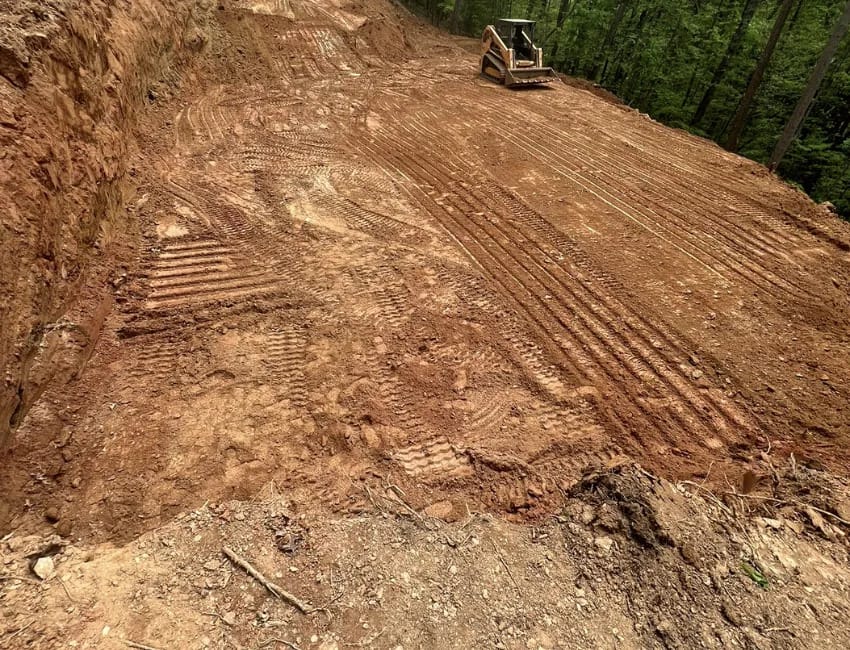
Before we ever load the hydroseeder on the trailer, we walk the site with you or your superintendent. We look at slope angles, soil type, drainage paths, and where truck access is realistic. In Dallas, many construction sites have clay-heavy soils that seal over when compacted. If we simply spray on top of glossy, hard clay, germination will be weak and erosion risk stays high. So we recommend light surface roughening or track-walking with equipment to create small ridges that catch seed and water.
On application day, we typically start by loading water, then mulch (usually a wood or wood / paper blend for construction slopes), followed by seed, fertilizer, and tackifier. For high risk areas, like steep cut slopes or channels that see concentrated flow, we may specify a heavier mulch rate or a bonded fiber matrix product. These materials create a thicker mat that resists rill formation during heavy North Texas storms.
We spray from the top of the slope downward when possible. This helps the slurry land more evenly and reduces overlaps and missed strips. On large commercial construction sites around Dallas, we often use a combination of hose work for hard-to-reach slopes and turret spraying for open areas. We keep a close eye on hose routes and equipment traffic so we are not tearing up freshly treated ground while trying to reach another area.
If your site already has silt fence, rock check dams, or riprap in place, we plan the hydroseeding pattern so those BMPs complement, not conflict with, the vegetation line. For example, we may intentionally avoid spraying directly over the fabric of a silt fence toe so maintenance access stays easy. The real measure of a good construction erosion control hydroseeding job is how well it fits into your larger stormwater pollution prevention plan, not just how green it looks in six weeks.
Material Options, Specs, and What Drives Cost
Construction erosion control hydroseeding is not a one-size bid item. Legendary Hydroseeding Dallas can dial up or down several variables that affect cost, performance, and compliance with local requirements and project specs.
Mulch type and rate are big cost drivers. A basic paper mulch applied at a modest rate is the least expensive and may be fine for gentle slopes or temporary stabilization between construction phases. Wood fiber mulches, which hold more moisture and resist rain impact better, cost more but are often worth it on Dallas clay slopes or areas where access for repairs is difficult. High-end bonded fiber matrix products or hydraulic erosion control blankets are reserved for the steepest, most critical locations, such as pond embankments and outlet structures.
Seed blends also influence budget and performance. Warm-season Bermuda grasses are common in North Texas for final stabilization because they handle heat and traffic well. For purely temporary stabilization, we may spec annual rye, oats, or a fast-germinating mix that covers quickly but is not intended as the permanent landscape. If your project has an engineered seed spec, such as native prairie blends for mitigation areas or TxDOT type mixes for roadside slopes, we follow those carefully and adjust mulch and fertilizer to match.
Fertilizer and soil amendments are tailored to Dallas-area soils. Many sites scrape off topsoil during grading, leaving subsoil with low organic matter. We may add starter fertilizer, lime if warranted by soil testing, or other amendments to improve structure and water infiltration. These add some cost up front but reduce failures that would require a re-mobilization.
Access and phasing affect labor and equipment costs. A large contiguous area that we can reach from one or two truck positions is cheaper per acre than many small, isolated slopes that require hose runs or multiple mobilizations. If your construction schedule allows us to combine sections into one visit, we can often save you money compared with piecemeal emergency call-outs after every rain.
Common Problems on Dallas Construction Sites and How We Handle Them
Typical erosion control problems on Dallas construction sites fall into a few patterns, and we plan for them before they show up in an inspection report. One issue is intense, short-duration thunderstorms that can hit within days of application. If the site has not had time to germinate, bare soil is still vulnerable. To counter this, Legendary Hydroseeding Dallas often recommends higher mulch rates or upgraded materials on slopes that will be exposed during peak storm seasons, usually late spring and early fall.
Another common issue is irrigation, or lack of it. Many construction erosion control hydroseeding applications rely entirely on rainfall. When weather turns hot and dry, seed can stall. We talk honestly with superintendents about realistic watering options. On large sites without temporary irrigation, we may tailor seed and mulch choices to tolerate more drought, and we help set expectations on germination timing. When hose watering or temporary sprinklers are available, we provide simple, practical watering schedules that fit into normal site operations instead of idealized landscape-maintenance routines that nobody will follow.
High traffic is another challenge. Dump trucks, subcontractor parking, and equipment staging often end up on areas that were just hydroseeded. We flag or stake treated slopes, coordinate with site management about access paths, and schedule work phases so that the most vulnerable areas are sprayed at a point when heavy traffic is winding down. If a section is damaged, we evaluate whether a light touch-up or a full re-spray is needed, rather than automatically recommending the most expensive fix.
Finally, we pay close attention to inspections and documentation. Many Dallas and North Texas municipalities enforce stormwater permits that require stabilized ground before certain milestones or before closing permits. We can help you plan hydroseeding so that, when inspectors show up, they see visible stabilization efforts and active maintenance instead of last-minute scrambling. If a section fails due to extreme weather, we can document the original application and propose corrective actions that keep you in good standing.
When to Schedule and What to Ask Before You Hire
Timing hydroseeding correctly in Dallas can save money and headaches. For permanent warm-season turf like Bermuda, late April through early September is usually the sweet spot, when soil temperatures support strong germination. For fall projects nearing closeout, we may use cool-season or temporary mixes to quickly stabilize soil and carry you through winter inspections, then return in spring for permanent seeding if required by the project.
Construction schedules do not always line up with ideal planting windows, so Legendary Hydroseeding Dallas works with what you have. If you are about to open pavement or utilities that will cut off access to certain slopes, it may be better to hydroseed slightly early under less-than-perfect conditions rather than risk losing access and having to bring in more expensive measures later.
Before you hire anyone for construction erosion control hydroseeding, ask a few direct questions. Ask what mulch rate they plan to use and why, and have them relate that to your slope gradients. Ask which seed blend they recommend for your specific project area, not just for “Dallas” in general, and whether it is meant as temporary or permanent cover. Request clarification on how they will reach hard-to-access slopes and how they will protect freshly treated areas from site traffic.
Also ask about follow-up. We provide straightforward guidance on what you should look for in the first 2 to 6 weeks, such as germination density, any rilling or washouts, and areas where mulch has moved. We can schedule a quick post-application check, especially after major rain, to catch issues early. Honest communication and realistic expectations usually prevent surprises and change orders.
If you are managing a construction site anywhere in the Dallas, TX area and you need reliable erosion control that fits your actual field conditions, Legendary Hydroseeding Dallas can help you design and install a hydroseeding plan that respects your budget, schedule, and permit requirements.